
The Revenue Growth Framework: Strategic Guidelines for Consistent Scaling


As seen on

And 300+ sites


The Importance of Customer Reviews:

How They Affect Revenue & Business Trust

A single negative review can drive away nearly a quarter of your potential customers — but here's the twist: a perfect 5-star rating might hurt you too. The real sweet spot for trust isn't what most business owners expect.


Key Takeaways

  • 98% of shoppers read reviews before purchasing, making them as influential as personal recommendations in driving buying decisions.
  • Businesses with 4-star ratings earn 28% more annual revenue, while positive reviews can boost sales by 31%.
  • A single negative review can potentially cost a business approximately 22% of its potential customers, but responding professionally turns complaints into trust-building opportunities.
  • can dramatically increase feedback volume when timed correctly after positive customer experiences.
  • Reviews boost local SEO rankings and help customers find businesses online through improved search visibility.


Customer reviews have become the digital equivalent of word-of-mouth recommendations. Small business owners who understand how to use this powerful tool gain a significant competitive advantage in today's marketplace.


98% of Shoppers Read Reviews Before Buying—Here's What That Means


It's hard to overstate how much weight reviews carry today. Around 98% of shoppers check reviews before making a purchase, and more than 80% trust them just as much as a recommendation from someone they know. For small businesses, that changes the game entirely.

Think about the last time someone made a significant purchase without checking reviews first. It's become almost automatic behavior—whether buying a new restaurant meal, hiring a contractor, or selecting a local service provider. Customers want proof that other real people had positive experiences before they commit their hard-earned money.

This reality creates both opportunity and risk. Businesses that actively manage their review presence gain credibility and trust. Those who ignore reviews or hope for the best often find themselves losing customers to competitors.


The Revenue Impact Every Small Business Owner Should Know


Reviews don't just shape how people see your business — they directly affect how much money it makes. And the impact is bigger than most owners realize.


1. Star Ratings Directly Drive Sales

Businesses with strong reviews see up to 31% more sales — and that's not just a coincidence. When potential customers see authentic feedback from satisfied clients, their confidence in making a purchase increases dramatically. Each additional star in a business's average rating represents real revenue growth.

The impact becomes even more pronounced for local businesses competing in specific geographic areas. Customers often choose between multiple similar options, and star ratings serve as the deciding factor when other factors like price and location are comparable.


2. The 4.2-4.5 Star Sweet Spot for Maximum Trust

Here's something most owners don't expect: a perfect 5-star rating can actually work against you. Research shows that businesses sitting between 4.2 and 4.5 stars come across as the most trustworthy. A flawless score tends to make people suspicious — they start wondering if the reviews are real or if the business just hasn't had enough customers to get honest feedback.

This sweet spot balances excellence with authenticity. A few slightly critical reviews mixed with overwhelmingly positive feedback create the perfect blend that builds genuine trust. Smart business owners understand that managing toward this range, rather than chasing perfection, yields better results.


3. How Reviews Boost Your Google Rankings

Beyond direct sales impact, reviews significantly influence local SEO rankings. Google considers the quantity, quality, and recency of reviews when determining local search visibility. Businesses that actively generate fresh, authentic reviews climb higher in local search results, creating a virtuous cycle of increased visibility and more customers.

Customer reviews often include keywords relevant to products, services, and location, which organically improves SEO. When customers describe their experiences using natural language, they create valuable content that search engines recognize and reward with improved rankings.


Why One Negative Review Could Cost You 22% of Potential Customers


On the flip side, bad reviews hit hard. Just one negative review can cost a business around 22% of its potential customers, and 94% of consumers say they've avoided a business after reading negative feedback. That's not just a number — it's real money walking out the door.

However, negative reviews don't have to spell disaster. The key lies in how businesses respond to criticism and what they do to prevent future issues.


Turn Complaints Into Trust-Building Opportunities

Responding promptly and professionally to negative reviews can actually strengthen customer relationships and build trust with potential clients. When prospects see that a business takes feedback seriously and works to resolve issues, they gain confidence in the company's commitment to customer satisfaction.


The best approach is simple: acknowledge the issue, apologize if it's warranted, and show what you're doing to fix it. That kind of public accountability often leaves a stronger impression than a dozen generic five-star reviews.


Take Critical Conversations Offline

While public responses show accountability, the real resolution happens in private conversations. Taking discussions about negative feedback offline allows for more detailed problem-solving and demonstrates a genuine commitment to customer satisfaction. This approach often leads to updated reviews that reflect the business's responsiveness.


Smart business owners provide direct contact information in their public responses and follow up personally to ensure issues are fully resolved. This personal touch frequently converts dissatisfied customers into loyal advocates who update their reviews and recommend the business to others.


Simple Systems That Generate More Reviews Automatically


The businesses that consistently get reviews aren't just lucky — they have a system. And it doesn't have to be complicated. The idea is simple: make it easy for happy customers to share their experience, and ask them at the right time.


1. Perfect Your Timing Strategy

Timing review requests effectively can dramatically increase response rates. The optimal moment varies by industry, but the general principle remains consistent: ask when customers are most satisfied with their experience. For service businesses, this might be immediately after project completion. For product sales, it could be a week after delivery when customers have had time to use their purchase.

Post-purchase emails are a highly effective method for generating customer reviews when timed correctly, making automated follow-up sequences essential. The key is finding the sweet spot where customers have enough experience to provide meaningful feedback but haven't forgotten their positive feelings about the interaction.


2. Make Leaving Reviews Effortless

Simplifying the review process by providing direct links or QR codes significantly increases participation rates. Every additional step or click reduces the likelihood that customers will follow through with leaving feedback. The easier the process, the more reviews businesses collect.

Modern review generation systems can automatically route satisfied customers to positive review sites while directing dissatisfied customers to private feedback channels. This intelligent routing ensures that public reviews accurately reflect the majority of customer experiences while providing opportunities to address concerns privately.


3. Use Smart Incentives That Actually Work

Ethical incentives like small discounts or contest entries can encourage more customers to leave reviews while maintaining authenticity. The key is offering value that feels like a thank-you rather than payment for positive feedback. This approach stays within platform guidelines while motivating customers to share their experiences.

Successful incentive programs focus on participation rather than rating. Offering rewards for any honest review, regardless of star rating, maintains integrity while encouraging feedback. This strategy builds a larger volume of authentic reviews that potential customers trust.


Start Building Your Review Strategy Today


The businesses that thrive in today's marketplace understand that review management isn't optional—it's essential. Starting with simple systems and gradually building more sophisticated approaches allows small businesses to compete effectively against larger competitors who may have more resources but less personal touch.


The most important step is simply beginning. Whether that means setting up Google My Business, implementing post-purchase follow-up emails, or establishing response protocols for feedback, taking action creates momentum. Each positive review builds on the last, creating a compound effect that drives both customer acquisition and business growth.


Recent Posts

Can AI Find Your Business? How Multichannel Content Helps Build Local Visibility
By Chet Holloway June 12, 2026
Is your local business ready for AI search? Learn how multichannel content marketing and authoritative distribution expand your visibility in AI-driven engines.
HVAC Marketing Strategies: Multichannel Insights for Growth
By Chet Holloway June 12, 2026
Discover why single-channel HVAC marketing fails. Learn how local mobile searches, the Google Map Pack, and multichannel strategies drive qualified leads.

Human Element in AI Content Marketing: 2026 Strategy
By Chet Holloway June 9, 2026
Discover why human judgment, named expertise, and clear positioning are the ultimate competitive advantages as AI becomes standard content infrastructure in 2026.
Chiropractic Marketing: Winning AI Search & After-Hours Bookings
By Chet Holloway June 8, 2026
Nearly half of patients use AI tools like ChatGPT to find local chiropractors. Learn the multichannel content strategy to capture these high-value leads.
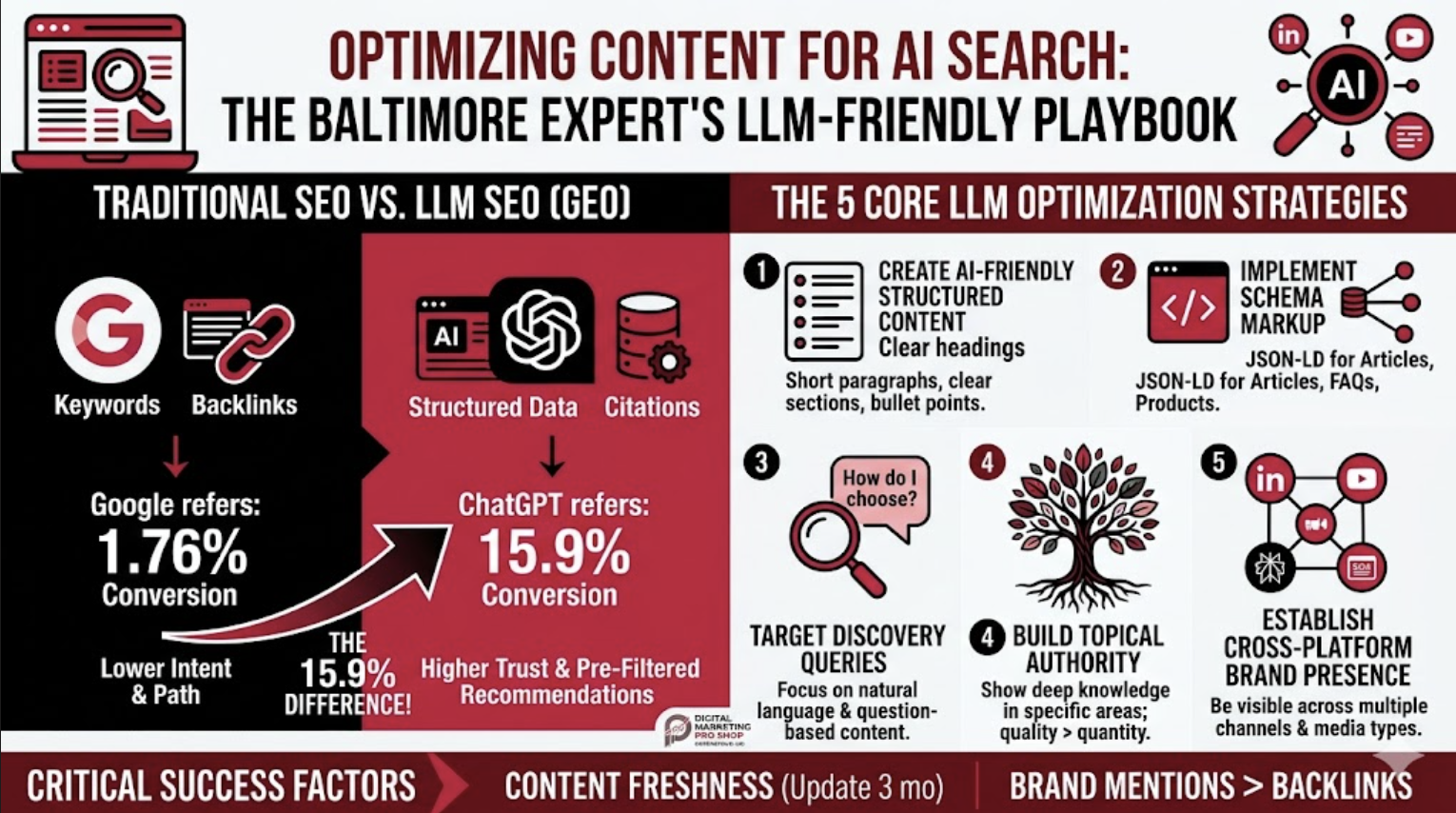
LLM SEO: How to Optimize Your Content for AI Searc
By Chet Holloway May 29, 2026
Discover how AI search optimization works. Learn why ChatGPT traffic converts at 15.9% and how to keep your Baltimore business visible in AI citations
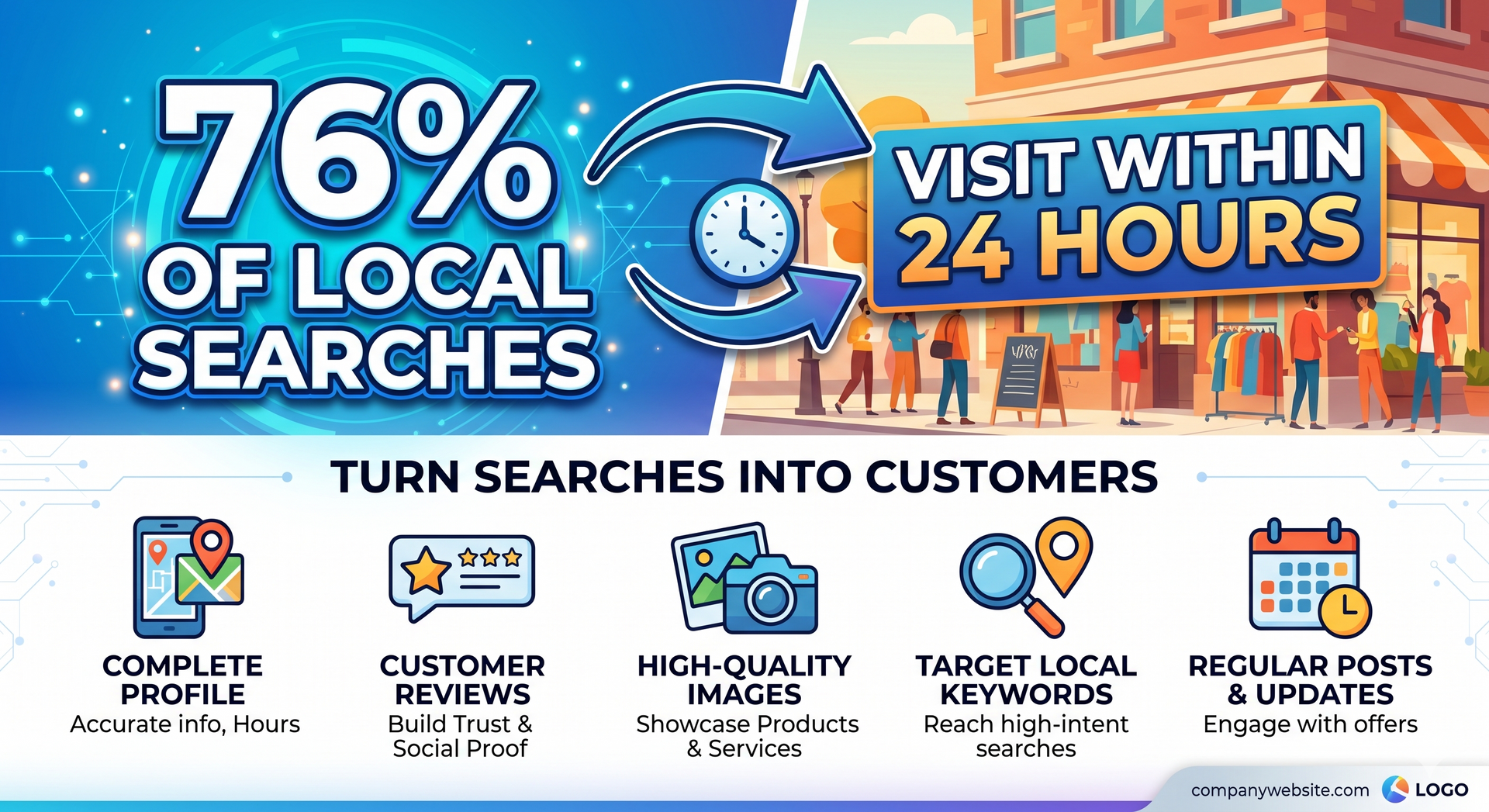
google-my-business-optimization-local-seo-tips
By Chet Holloway May 28, 2026
Did you know 76% of local searches lead to a store visit within 24 hours? Discover the simple Google My Business changes that turn searchers into buyers.
By Chet Holloway May 22, 2026
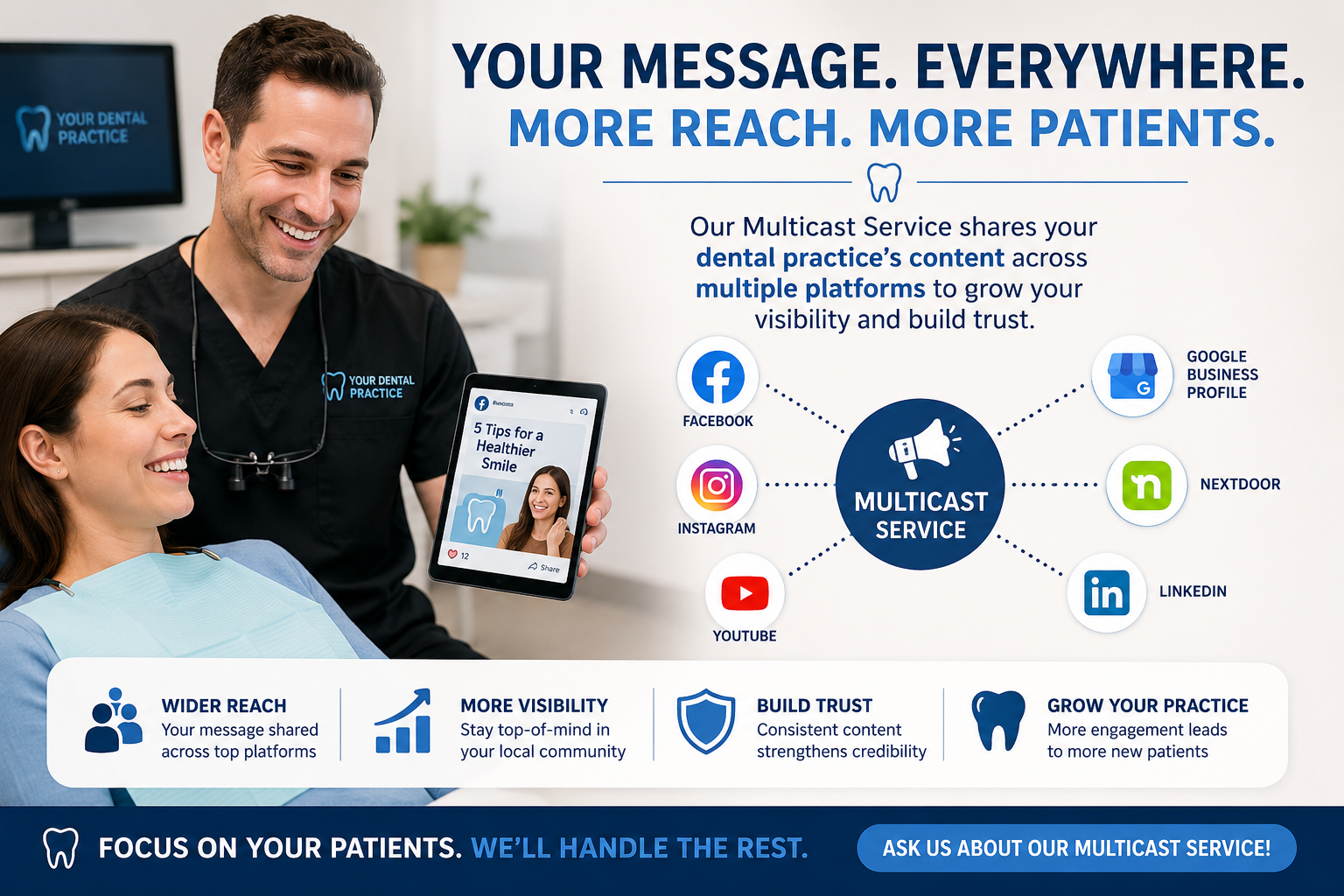
AI search engines like ChatGPT and Perplexity only mention a handful of brands per query. Multicasting, crawlable reviews, and consistent brand mentions across independent sources are what get your business recommended.

By Chet Holloway May 19, 2026
Invisible to customers? A Baltimore expert breaks down how an omnichannel marketing strategy drives revenue & visibility without expensive paid ads.
By Chet Holloway May 12, 2026
Online Search is How Homeowners Find Roofing Contractors While word-of-mouth referrals and repeat business remain important sources for finding contractors, today's homeowners increasingly conduct extensive research before choosing a roofing contractor, with 96% searching online for roofing companies. Online search engines account for 54% of how homeowners initially discover roofing services, making digital presence crucial for business growth. "This shift in consumer behavior creates both opportunity and urgency for roofing businesses. Homeowners spend significant time reading blogs, reviews, and case studies before making contact," says a spokesperson from Digital Marketing Pro Shop LLC , an agency helping Baltimore roofers enhance their online presence. "They want to understand their roofing problems, compare solutions, and identify contractors who demonstrate competence and reliability." Content Marketing Transforms Qualified Lead Generation Effective content marketing goes beyond posting random updates on social media. It requires a systematic approach that addresses specific homeowner concerns while showcasing the contractor's expertise and reliability. The most successful roofing companies follow four key principles that transform casual browsers iqualified leads. 1. Know Your Ideal Customer Demographics and Pain Points Understanding customer demographics prevents wasted time on unqualified leads. A contractor specializing in commercial metal roofing shouldn't create content targeting residential asphalt shingle replacements. Successful content marketing starts with identifying the specific customer segments a roofing business serves best. Pain points vary significantly among homeowner demographics. Young families might worry about roof safety and energy efficiency, while older homeowners may prioritize durability and low maintenance. Emergency situations like storm damage create urgent pain points requiring immediate solutions. Content that addresses these specific concerns attracts homeowners who need exactly what the contractor provides. 2. Use Clear Language and High-Quality Project Photos Technical jargon confuses potential customers rather than impressing them. Homeowners want straightforward explanations about roofing problems and solutions, delivered in language they can understand. The goal is educating customers, not demonstrating industry vocabulary mastery. High-quality project photos tell compelling stories that written descriptions cannot match. Before-and-after images of actual projects demonstrate competence while helping homeowners visualize potential outcomes for their properties. Stock photos lack authenticity—homeowners can spot generic images immediately, which undermines trust and credibility. 3. Optimize for Local Search and Google's 3-Pack Local search optimization is crucial for roofing companies since they serve specific geographic areas. Google's Local 3-Pack captures around 44% of all clicks and appears in 93% of local searches, making visibility in these results essential for lead generation. Optimization requires consistent business information across all online platforms, positive customer reviews, and location-specific content. Roofing companies that optimize their Google My Business profiles and create content targeting local search terms report 50% or more increases in local leads. The key is matching content to the specific searches homeowners perform when seeking roofing services in their area. 4. Include Strategic Calls to Action Even the most informative content fails without clear next steps for interested homeowners. Strategic calls to action guide readers from content consumption to actual contact, whether through phone calls, estimate requests, or consultation bookings. The most effective CTAs feel natural within the content flow rather than pushy or sales-focused.
By Chet Holloway May 12, 2026
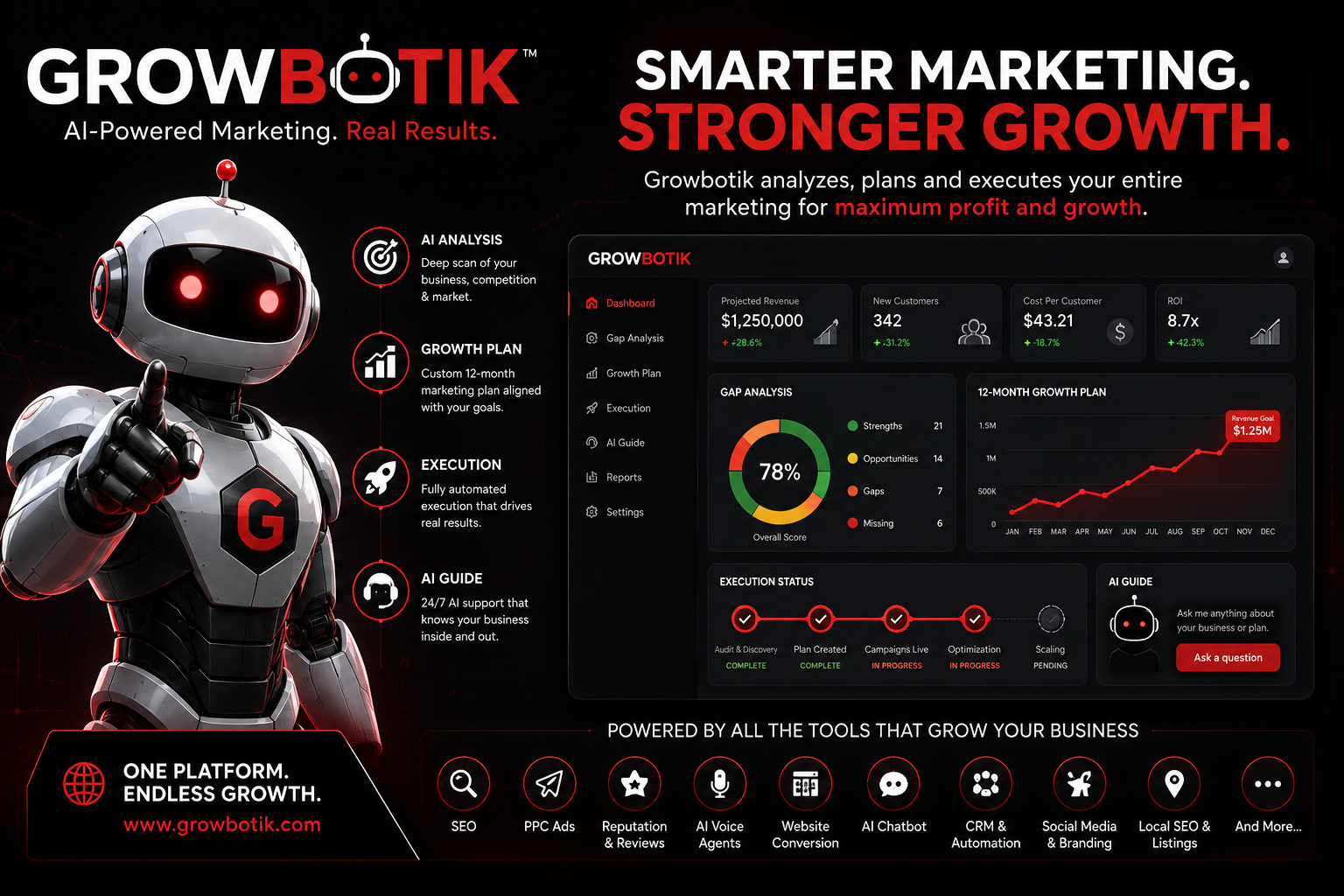
Predictive Revenue Architecture: A 12-Month Marketing Growth Plan Engineered by Growbotik
AI Search for Law Firms: How to Stay Visible When Clients Don’t Click Websit
By Chet Holloway May 10, 2026
AI Search for Law Firms: How to Stay Visible When Clients Don’t Click Websites. Learn how law firms can adapt to AI-driven search and keep attracting clients with four essential visibility strategies.
By Chet Holloway May 7, 2026
Stop guessing and start architecting. Discover Pro Ai: the smarter way for businesses to identify marketing gaps and build a data-backed 12-month growth plan

By Chet Holloway May 5, 2026
Creation is only half the battle. Discover why distribution automation is the key to ROI and how our high-precision architecture turns one asset into total market omnipresence.
By Chet Holloway May 5, 2026
Ready to dominate the local market? Baltimore content marketing experts at Digital Marketing Pro Shop explain how to architect a high-precision organic traffic engine
April 24, 2026
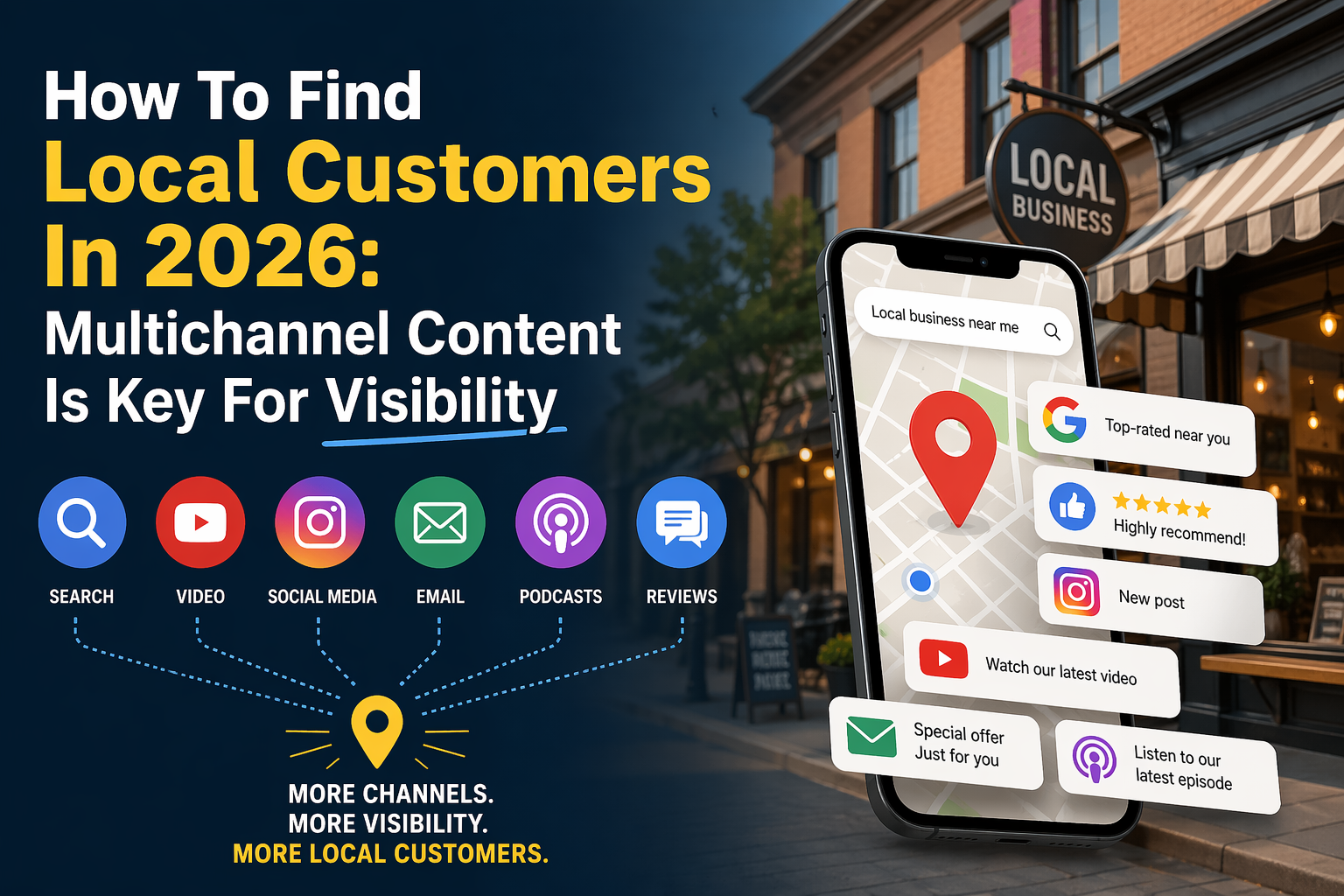
Looking for local customers in 2026? Discover why multichannel content is the key to local visibility and how to architect a strategy that dominates your market
By Chet Holloway April 24, 2026
Stop renting your audience and start building organic equity. Learn how a strategic content architecture creates sustainable, long-term growth for your business
By Chet Holloway April 8, 2026
Own the search box before the click even happens. Discover how SBO puts your brand in Google’s auto-suggest for total market dominance
April 1, 2026
Move beyond temporary clicks. Discover the high-precision architecture behind sustainable organic traffic and how content equity drives predictable revenue.
By Chet Holloway March 26, 2026
Your organic traffic just tanked, and you're frantically searching for answers. Before you panic and overhaul everything, there's one underlying issue causing most sudden drops, and it's probably not what you think. The fix requires rethinking how you create content entirely.
By eyal March 6, 2026
Bridge the gap between site visits and sales. Discover high-precision strategies to engage visitors, boost brand loyalty, and maximize your customer lifetime value.
Share this article