

Is your local business ready for AI search? Learn how multichannel content marketing and authoritative distribution expand your visibility in AI-driven engines.

Discover why single-channel HVAC marketing fails. Learn how local mobile searches, the Google Map Pack, and multichannel strategies drive qualified leads.

Nearly half of patients use AI tools like ChatGPT to find local chiropractors. Learn the multichannel content strategy to capture these high-value leads.
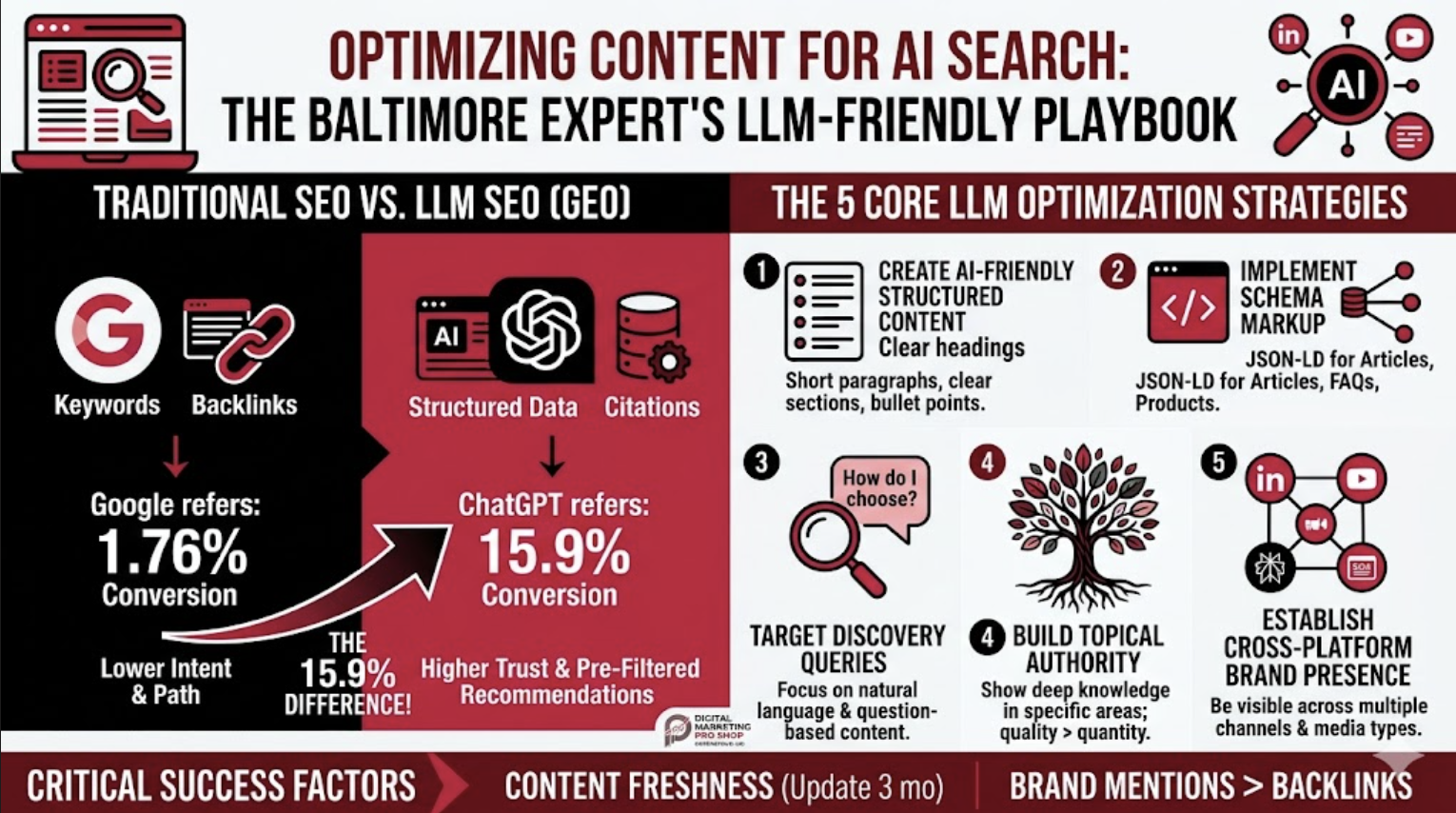
Discover how AI search optimization works. Learn why ChatGPT traffic converts at 15.9% and how to keep your Baltimore business visible in AI citations
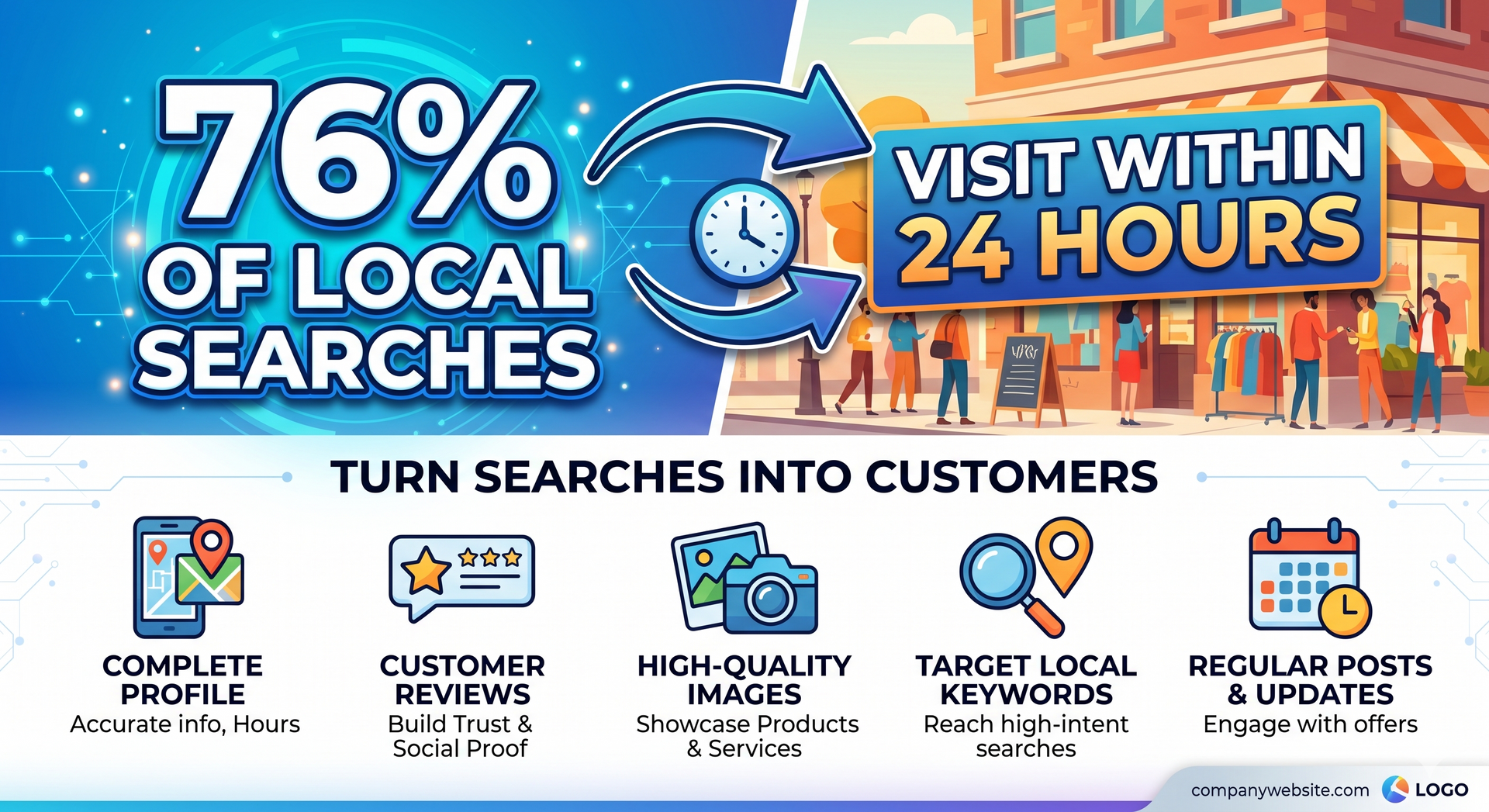
Did you know 76% of local searches lead to a store visit within 24 hours? Discover the simple Google My Business changes that turn searchers into buyers.
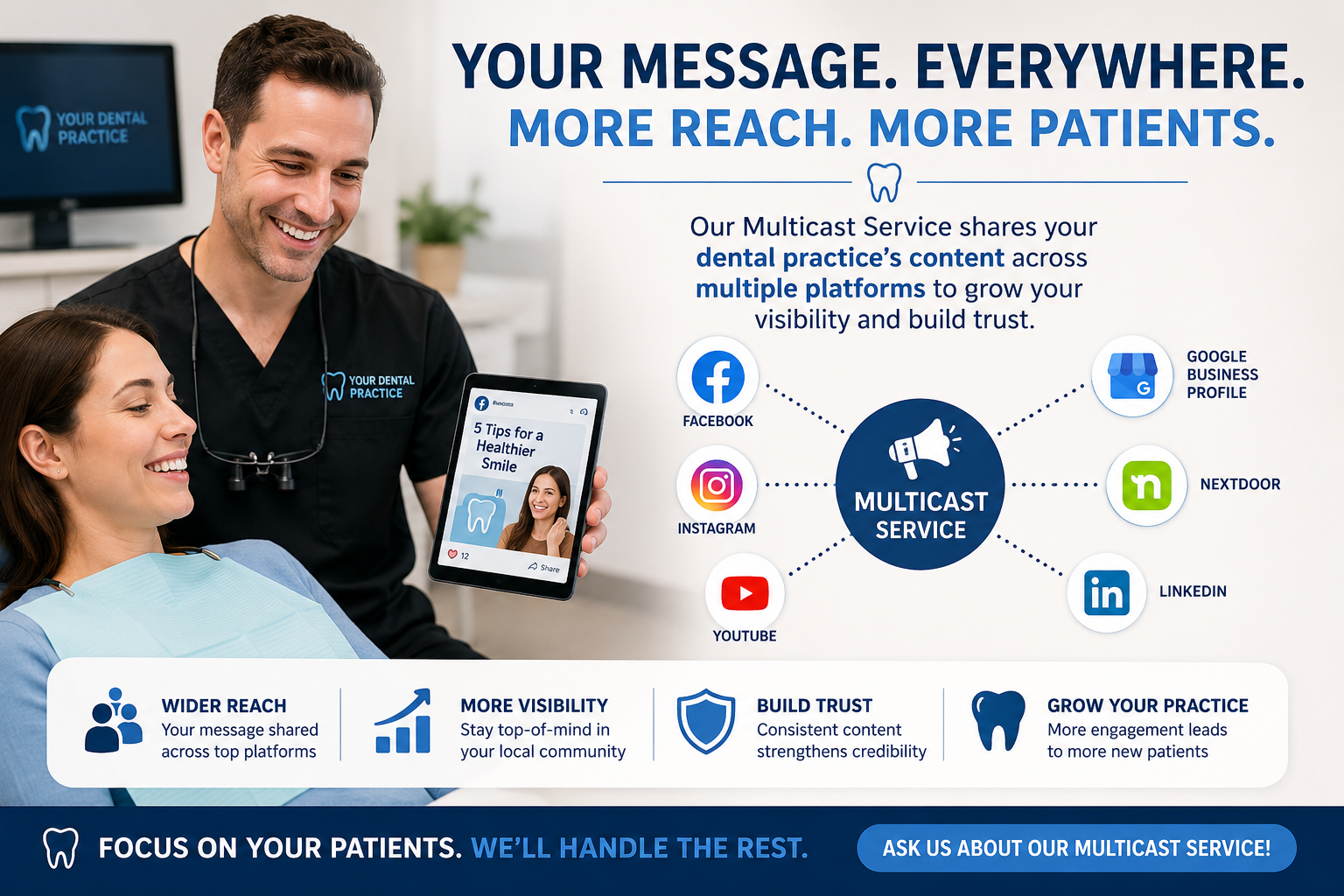
AI search engines like ChatGPT and Perplexity only mention a handful of brands per query. Multicasting, crawlable reviews, and consistent brand mentions across independent sources are what get your business recommended.

Invisible to customers? A Baltimore expert breaks down how an omnichannel marketing strategy drives revenue & visibility without expensive paid ads.

Online Search is How Homeowners Find Roofing Contractors While word-of-mouth referrals and repeat business remain important sources for finding contractors, today's homeowners increasingly conduct extensive research before choosing a roofing contractor, with 96% searching online for roofing companies. Online search engines account for 54% of how homeowners initially discover roofing services, making digital presence crucial for business growth. "This shift in consumer behavior creates both opportunity and urgency for roofing businesses. Homeowners spend significant time reading blogs, reviews, and case studies before making contact," says a spokesperson from Digital Marketing Pro Shop LLC , an agency helping Baltimore roofers enhance their online presence. "They want to understand their roofing problems, compare solutions, and identify contractors who demonstrate competence and reliability." Content Marketing Transforms Qualified Lead Generation Effective content marketing goes beyond posting random updates on social media. It requires a systematic approach that addresses specific homeowner concerns while showcasing the contractor's expertise and reliability. The most successful roofing companies follow four key principles that transform casual browsers iqualified leads. 1. Know Your Ideal Customer Demographics and Pain Points Understanding customer demographics prevents wasted time on unqualified leads. A contractor specializing in commercial metal roofing shouldn't create content targeting residential asphalt shingle replacements. Successful content marketing starts with identifying the specific customer segments a roofing business serves best. Pain points vary significantly among homeowner demographics. Young families might worry about roof safety and energy efficiency, while older homeowners may prioritize durability and low maintenance. Emergency situations like storm damage create urgent pain points requiring immediate solutions. Content that addresses these specific concerns attracts homeowners who need exactly what the contractor provides. 2. Use Clear Language and High-Quality Project Photos Technical jargon confuses potential customers rather than impressing them. Homeowners want straightforward explanations about roofing problems and solutions, delivered in language they can understand. The goal is educating customers, not demonstrating industry vocabulary mastery. High-quality project photos tell compelling stories that written descriptions cannot match. Before-and-after images of actual projects demonstrate competence while helping homeowners visualize potential outcomes for their properties. Stock photos lack authenticity—homeowners can spot generic images immediately, which undermines trust and credibility. 3. Optimize for Local Search and Google's 3-Pack Local search optimization is crucial for roofing companies since they serve specific geographic areas. Google's Local 3-Pack captures around 44% of all clicks and appears in 93% of local searches, making visibility in these results essential for lead generation. Optimization requires consistent business information across all online platforms, positive customer reviews, and location-specific content. Roofing companies that optimize their Google My Business profiles and create content targeting local search terms report 50% or more increases in local leads. The key is matching content to the specific searches homeowners perform when seeking roofing services in their area. 4. Include Strategic Calls to Action Even the most informative content fails without clear next steps for interested homeowners. Strategic calls to action guide readers from content consumption to actual contact, whether through phone calls, estimate requests, or consultation bookings. The most effective CTAs feel natural within the content flow rather than pushy or sales-focused.
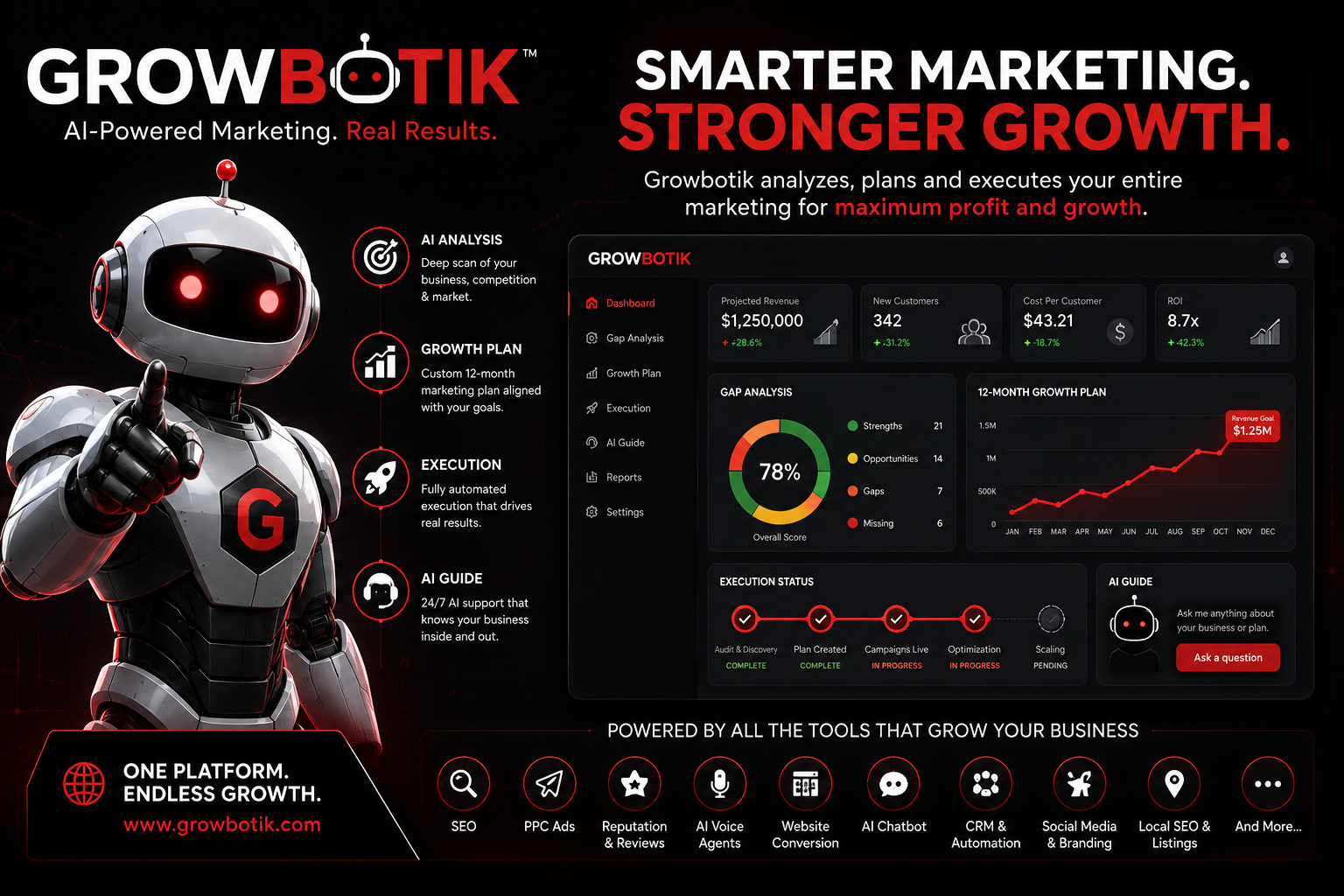
Predictive Revenue Architecture: A 12-Month Marketing Growth Plan Engineered by Growbotik

AI Search for Law Firms: How to Stay Visible When Clients Don’t Click Websites. Learn how law firms can adapt to AI-driven search and keep attracting clients with four essential visibility strategies.

Stop guessing and start architecting. Discover Pro Ai: the smarter way for businesses to identify marketing gaps and build a data-backed 12-month growth plan

Creation is only half the battle. Discover why distribution automation is the key to ROI and how our high-precision architecture turns one asset into total market omnipresence.

Ready to dominate the local market? Baltimore content marketing experts at Digital Marketing Pro Shop explain how to architect a high-precision organic traffic engine
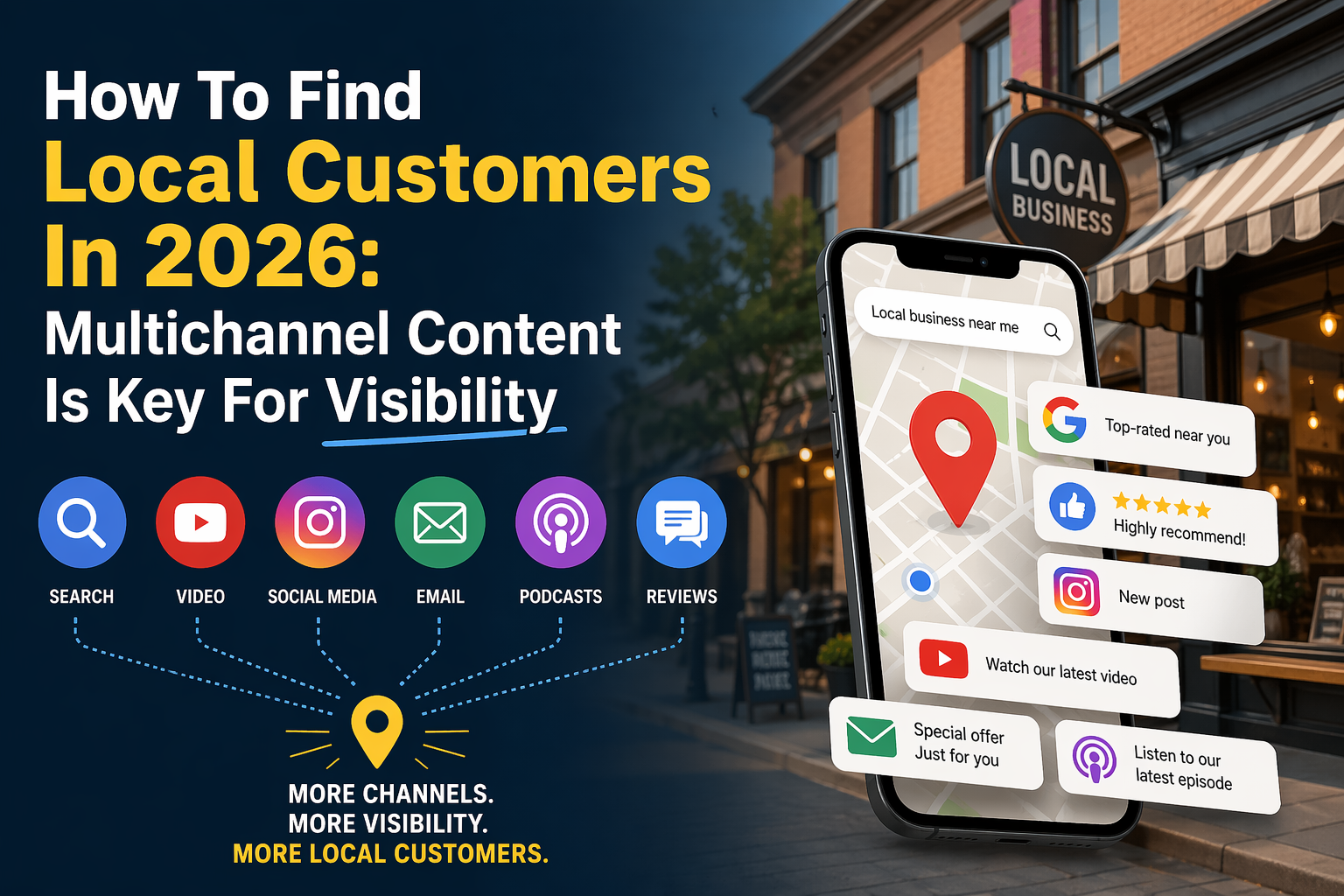
Looking for local customers in 2026? Discover why multichannel content is the key to local visibility and how to architect a strategy that dominates your market

Stop renting your audience and start building organic equity. Learn how a strategic content architecture creates sustainable, long-term growth for your business

Own the search box before the click even happens. Discover how SBO puts your brand in Google’s auto-suggest for total market dominance

Move beyond temporary clicks. Discover the high-precision architecture behind sustainable organic traffic and how content equity drives predictable revenue.

Your organic traffic just tanked, and you're frantically searching for answers. Before you panic and overhaul everything, there's one underlying issue causing most sudden drops, and it's probably not what you think. The fix requires rethinking how you create content entirely.
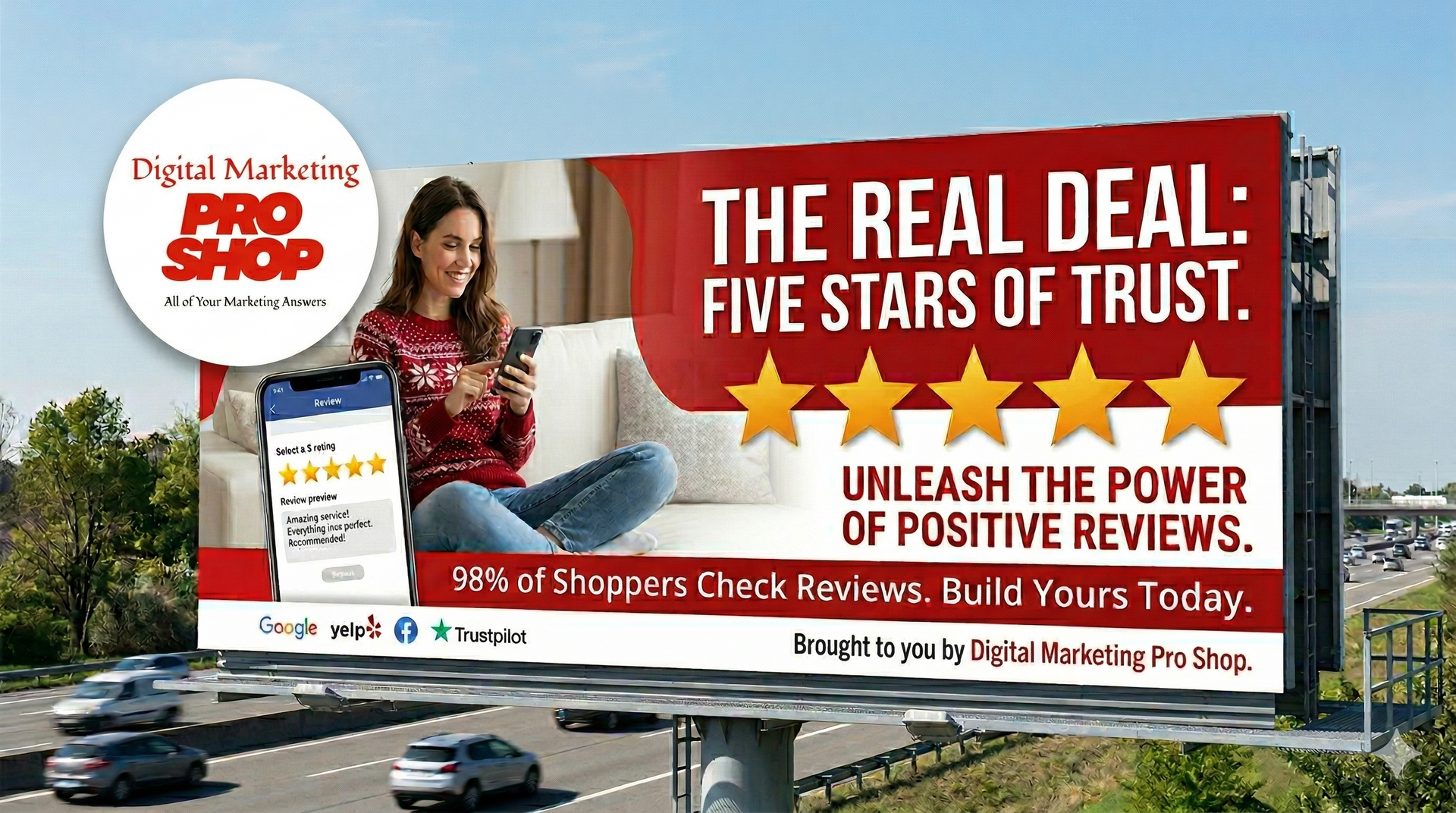
Transform your customer feedback into a predictable revenue engine. Learn how we use high-fidelity data to audit and optimize your business reputation.

Bridge the gap between site visits and sales. Discover high-precision strategies to engage visitors, boost brand loyalty, and maximize your customer lifetime value.