
AI Search for Law Firms: How to Stay Visible When Clients Don’t Click Websites

How Multichannel Content Builds Ai Search Visibility for Lawfirms


As seen on

And 300+ sites

Key Takeaways


  • AI usage for local business recommendations skyrocketed from 6% to 45% in just one year, fundamentally changing how potential clients discover law firms.
  • Google AI Overviews are reshaping legal search results by citing authoritative sources and reducing traditional website clicks.
  • Traditional legal marketing strategies require immediate updates to remain competitive in an AI-driven search landscape where 40% of consumers trust AI-recommended services.
  • Four essential optimization strategies can position law firms to thrive in AI search results and maintain visibility in the evolving digital environment.


The legal industry faces a seismic shift in how potential clients discover and evaluate law firms. As artificial intelligence transforms local search behavior, legal practices must adapt their digital marketing strategies or risk becoming invisible to prospective clients who increasingly rely on AI-powered recommendations. This shift is driving greater adoption of multichannel content marketing.


How AI Is Changing the Way People Find Local Businesses


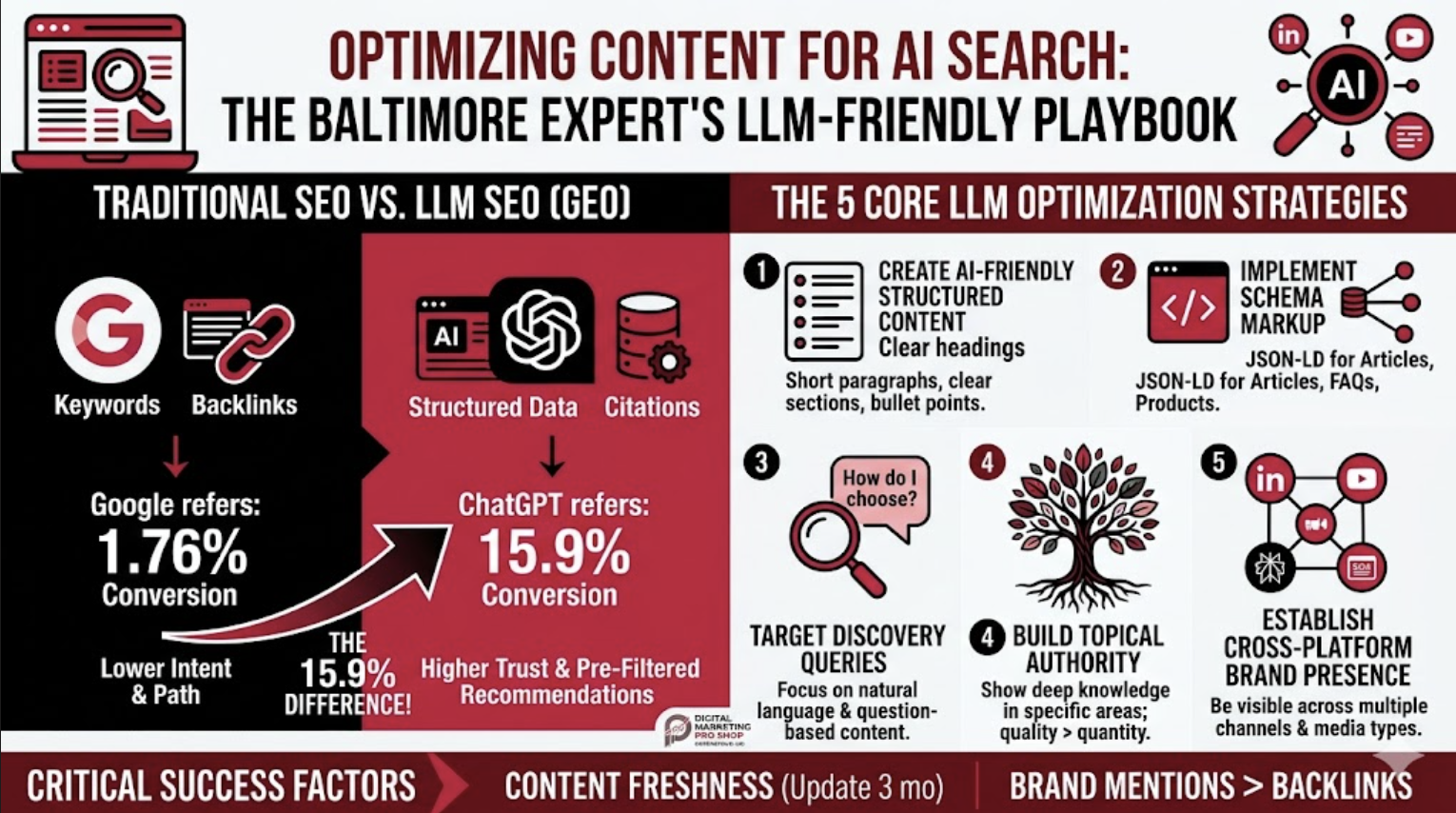
The numbers tell a dramatic story of rapid change. According to BrightLocal's 2026 Local Consumer Review Survey, consumer reliance on AI for local business recommendations exploded from just 6% in 2025 to an astounding 45% in 2026. This unprecedented surge represents the fastest adoption of any new search behavior in digital marketing history.


AI tools, particularly ChatGPT, have surpassed traditional review platforms like Yelp and TripAdvisor as primary sources for local business recommendations. This shift creates both challenges and opportunities for law firms seeking to attract new clients through digital channels. Digital Marketing Pro Shop, a marketing agency specializing in content repurposing and distribution systems, notes that legal practices must ensure their content appears across platforms that AI tools and search engines reference when generating recommendations, rather than relying solely on traditional search rankings.


The trust factor proves equally compelling. Among active AI users, 63% trust AI tools' recommendations, while 42% trust AI platforms as much as traditional reviews for local recommendations. This level of confidence in artificial intelligence recommendations signals a permanent shift in consumer behavior that law firms cannot ignore.


Google AI Overviews Are Reshaping Legal Search Results


Google's AI Overviews have fundamentally altered how legal search results appear, moving beyond simple link lists to synthesized information and direct recommendations. For legal queries, these AI-generated summaries often present synthesized information and recommendations, which can include legal professionals with AI-generated descriptions, completely changing visibility dynamics for law firms.


1. Zero-Click Searches Reduce Website Traffic


AI-generated summaries provide direct answers on search results pages, leading to "zero-click" searches where users receive the information they need without visiting individual law firm websites. This trend poses significant challenges for traditional website traffic generation strategies that many legal practices have relied upon for years.


2. AI Overviews Cite Authoritative Sources


Despite reducing overall clicks, Google AI Overviews frequently cite authoritative sources within their summaries, offering a significant opportunity for law firms to be featured when their content is deemed relevant and expert. Law firms that appear in these AI-generated responses gain significant exposure and credibility, as the AI system essentially endorses their expertise to users seeking legal information or services.


3. Being Featured Builds Brand Authority


When AI systems reference a law firm's content or expertise, it creates powerful third-party validation. This AI citation acts as a digital seal of approval, positioning the featured firm as a trusted authority in their practice area and significantly boosting brand recognition among potential clients.


Why Traditional Legal Marketing Strategies Need Updates


The legal marketing environment requires immediate strategic adjustments to address the growing influence of artificial intelligence in consumer decision-making processes. Traditional approaches that worked effectively just two years ago now miss a rapidly expanding segment of potential clients who rely primarily on AI recommendations.


AI Tools Become Primary Channel for Local Recommendations


AI platforms have emerged as the dominant channel for local business discovery, surpassing established review

sites and directory listings. This shift means law firms must optimize their digital presence specifically for AI consumption rather than solely focusing on human visitors. The algorithms that power AI recommendations evaluate content, authority, and consistency differently from traditional search engines.


40% of Consumers Trust AI-Recommended Services


Consumer trust in AI recommendations continues growing, with 40% of consumers now expressing confidence in

AI-suggested services. This trust level approaches that of personal recommendations from friends and family, making AI visibility vital for law firm client acquisition strategies.


Reach prospects across search, social, email, and AI-powered discovery with multichannel marketing built to help your law firm generate more qualified leads.

Essential AI-Ready Optimization for Law Firms


Successfully adapting to AI-driven search requires specific technical and content optimization strategies that help artificial intelligence systems understand, trust, and recommend law firms to potential clients. These four essential elements form the foundation of effective AI optimization.


1. Implement Structured Data and Schema Markup


Structured data and schema markup help search engines and AI systems accurately identify business details, practice areas, location information, and credentials. This technical foundation enables AI tools to easily parse and credit law firm information when generating recommendations or answering user queries about legal services.


2. Create Conversational, Question-Based Content


AI systems favor content that directly answers common legal questions in plain language. Law firms should develop high-quality, authoritative content that addresses frequently asked questions about their practice areas using natural, conversational language patterns that mirror how people actually speak and ask questions.


3. Maintain Consistent NAP Information


Name, Address, and Phone (NAP) consistency across all online platforms and directories remains vital for local SEO success. AI tools use this consistency to verify business legitimacy and confidently cite law firms in their recommendations. Any discrepancies can reduce trust signals and limit AI visibility.


4. Focus on Entity Optimization


Entity optimization helps AI systems understand the relationships between a law firm, its attorneys, practice areas, and location. This involves creating clear connections between the firm's expertise, credentials, and service offerings through consistent messaging and structured data implementation across all digital touchpoints.


DC Legal Market Demands Advanced Digital Strategy


The Washington D.C. legal market presents unique challenges that require sophisticated digital marketing approaches specifically designed for the region's concentrated legal professional environment and evolving AI search dynamics.


High Competition Requires Sophisticated Approach


Washington D.C.'s concentration of legal professionals creates an intensely competitive environment where traditional marketing strategies often fail to differentiate law firms effectively. The market's sophistication demands advanced digital marketing techniques that go beyond basic local SEO and adopt emerging AI optimization strategies.


AI Search Behavior Shifts Require Local Optimization


Local search behavior in the D.C. market reflects broader national trends toward AI adoption, but with higher sophistication levels among potential clients. Legal professionals and government officials in the region often use advanced search techniques and expect authoritative information from their legal service providers.


How Content Marketing Supports AI Visibility for Law Firms


Changes in AI-driven search are reshaping how law firms are discovered, making content marketing for AI visibility an increasingly important part of digital strategy. As clients rely more on AI-generated responses, visibility depends on how often a firm’s information appears across trusted sources.


Traditional SEO remains a foundational element. On-page optimization, technical SEO improvements, backlinks, and well-maintained Google Business Profiles continue to provide the signals that search engines and AI systems use to evaluate credibility.


Content marketing extends that visibility beyond a firm’s website. By publishing and distributing content across multiple platforms, law firms can increase how frequently their information is surfaced, referenced, or cited in both search results and AI-generated answers.


Combining SEO with consistent content distribution allows law firms to strengthen their presence across different discovery channels, supporting more reliable visibility as AI continues to shape how legal services are researched.


Reach prospects across search, social, email, and AI-powered discovery with multichannel marketing built to help your law firm generate more qualified leads.

If your law firm still relies on traditional SEO, you may be missing nearly half of potential clients now using AI tools like ChatGPT to find legal services. Here’s what’s changed—and four strategies to stay visible.

Recent Posts

By Chet Holloway May 12, 2026
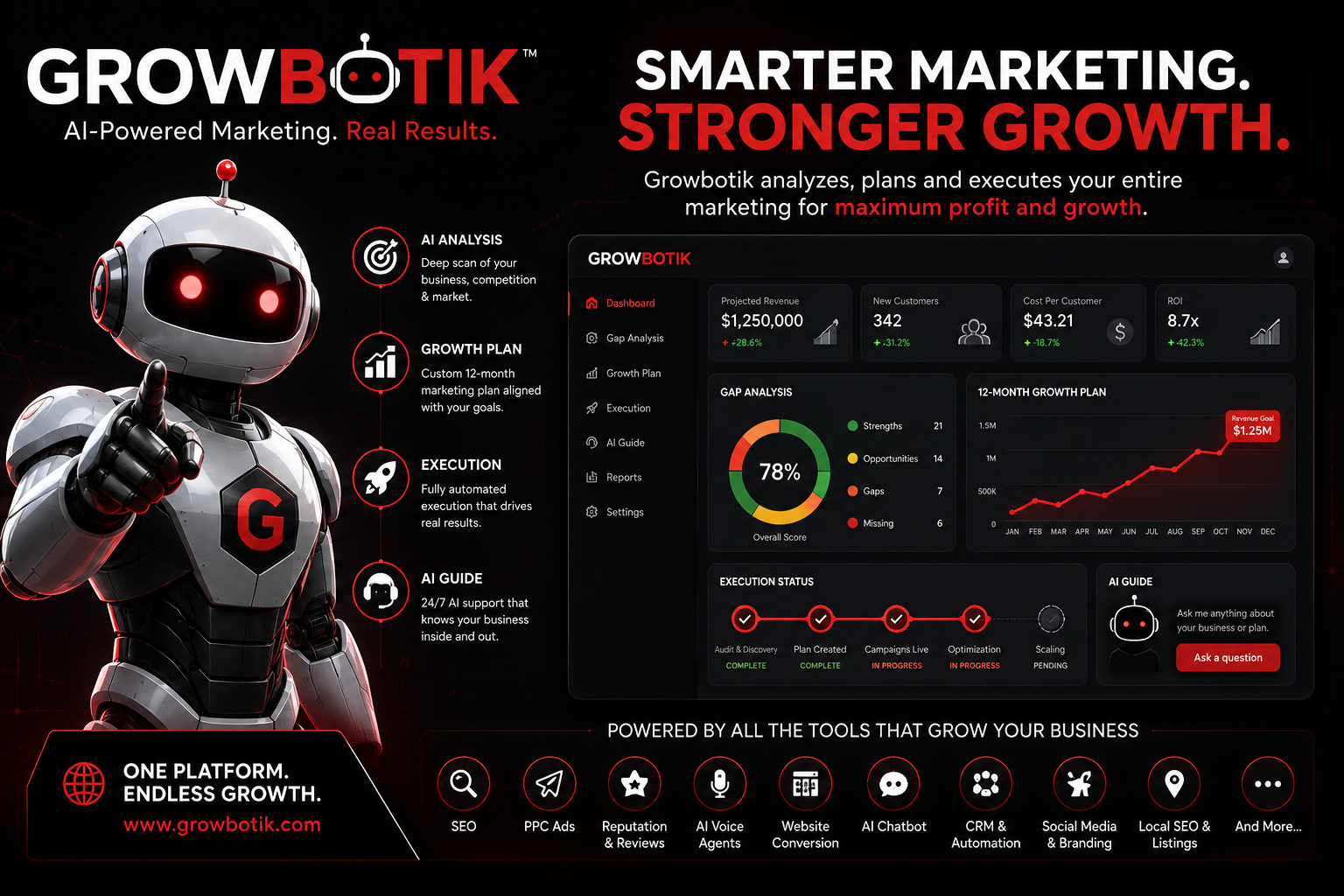
Online Search is How Homeowners Find Roofing Contractors While word-of-mouth referrals and repeat business remain important sources for finding contractors, today's homeowners increasingly conduct extensive research before choosing a roofing contractor, with 96% searching online for roofing companies. Online search engines account for 54% of how homeowners initially discover roofing services, making digital presence crucial for business growth. "This shift in consumer behavior creates both opportunity and urgency for roofing businesses. Homeowners spend significant time reading blogs, reviews, and case studies before making contact," says a spokesperson from Digital Marketing Pro Shop LLC , an agency helping Baltimore roofers enhance their online presence. "They want to understand their roofing problems, compare solutions, and identify contractors who demonstrate competence and reliability." Content Marketing Transforms Qualified Lead Generation Effective content marketing goes beyond posting random updates on social media. It requires a systematic approach that addresses specific homeowner concerns while showcasing the contractor's expertise and reliability. The most successful roofing companies follow four key principles that transform casual browsers iqualified leads. 1. Know Your Ideal Customer Demographics and Pain Points Understanding customer demographics prevents wasted time on unqualified leads. A contractor specializing in commercial metal roofing shouldn't create content targeting residential asphalt shingle replacements. Successful content marketing starts with identifying the specific customer segments a roofing business serves best. Pain points vary significantly among homeowner demographics. Young families might worry about roof safety and energy efficiency, while older homeowners may prioritize durability and low maintenance. Emergency situations like storm damage create urgent pain points requiring immediate solutions. Content that addresses these specific concerns attracts homeowners who need exactly what the contractor provides. 2. Use Clear Language and High-Quality Project Photos Technical jargon confuses potential customers rather than impressing them. Homeowners want straightforward explanations about roofing problems and solutions, delivered in language they can understand. The goal is educating customers, not demonstrating industry vocabulary mastery. High-quality project photos tell compelling stories that written descriptions cannot match. Before-and-after images of actual projects demonstrate competence while helping homeowners visualize potential outcomes for their properties. Stock photos lack authenticity—homeowners can spot generic images immediately, which undermines trust and credibility. 3. Optimize for Local Search and Google's 3-Pack Local search optimization is crucial for roofing companies since they serve specific geographic areas. Google's Local 3-Pack captures around 44% of all clicks and appears in 93% of local searches, making visibility in these results essential for lead generation. Optimization requires consistent business information across all online platforms, positive customer reviews, and location-specific content. Roofing companies that optimize their Google My Business profiles and create content targeting local search terms report 50% or more increases in local leads. The key is matching content to the specific searches homeowners perform when seeking roofing services in their area. 4. Include Strategic Calls to Action Even the most informative content fails without clear next steps for interested homeowners. Strategic calls to action guide readers from content consumption to actual contact, whether through phone calls, estimate requests, or consultation bookings. The most effective CTAs feel natural within the content flow rather than pushy or sales-focused.
By Chet Holloway May 12, 2026
Predictive Revenue Architecture: A 12-Month Marketing Growth Plan Engineered by Growbotik
By Chet Holloway May 7, 2026
Stop guessing and start architecting. Discover Pro Ai: the smarter way for businesses to identify marketing gaps and build a data-backed 12-month growth plan

By Chet Holloway May 5, 2026
Creation is only half the battle. Discover why distribution automation is the key to ROI and how our high-precision architecture turns one asset into total market omnipresence.
By Chet Holloway May 5, 2026
Ready to dominate the local market? Baltimore content marketing experts at Digital Marketing Pro Shop explain how to architect a high-precision organic traffic engine
April 24, 2026
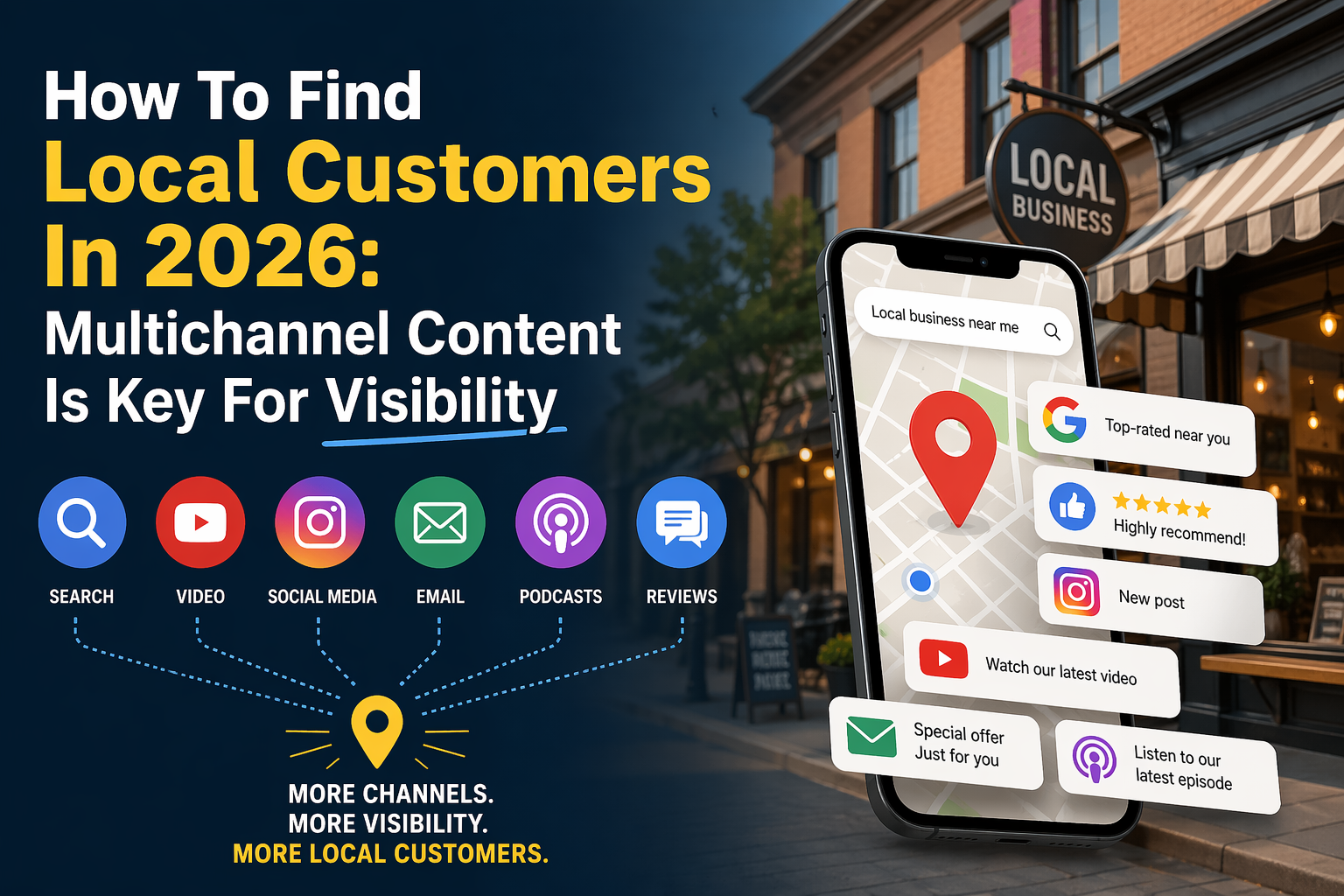
Looking for local customers in 2026? Discover why multichannel content is the key to local visibility and how to architect a strategy that dominates your market
By Chet Holloway April 24, 2026
Stop renting your audience and start building organic equity. Learn how a strategic content architecture creates sustainable, long-term growth for your business
By Chet Holloway April 8, 2026
Own the search box before the click even happens. Discover how SBO puts your brand in Google’s auto-suggest for total market dominance
April 1, 2026
Move beyond temporary clicks. Discover the high-precision architecture behind sustainable organic traffic and how content equity drives predictable revenue.
By Chet Holloway March 26, 2026
Your organic traffic just tanked, and you're frantically searching for answers. Before you panic and overhaul everything, there's one underlying issue causing most sudden drops, and it's probably not what you think. The fix requires rethinking how you create content entirely.

Show More

Share this article