


How to Market A Chiropractic Practice: Content Tips from Baltimore Experts

Nearly half of patients use AI tools like ChatGPT to find providers, and 45% book appointments outside regular hours. Without optimization for these trends, chiropractic practices risk missing a significant portion of potential new patients.


As seen on

And 300+ sites

Verified by  AmpiFire

Key Takeaways


  • AI-driven patient discovery has transformed how people find chiropractors, with 45% of consumers now using AI tools like ChatGPT for local business recommendations
  • Approximately 43-45% of chiropractic appointments are booked outside business hours, requiring a 24/7 online presence across multiple platforms
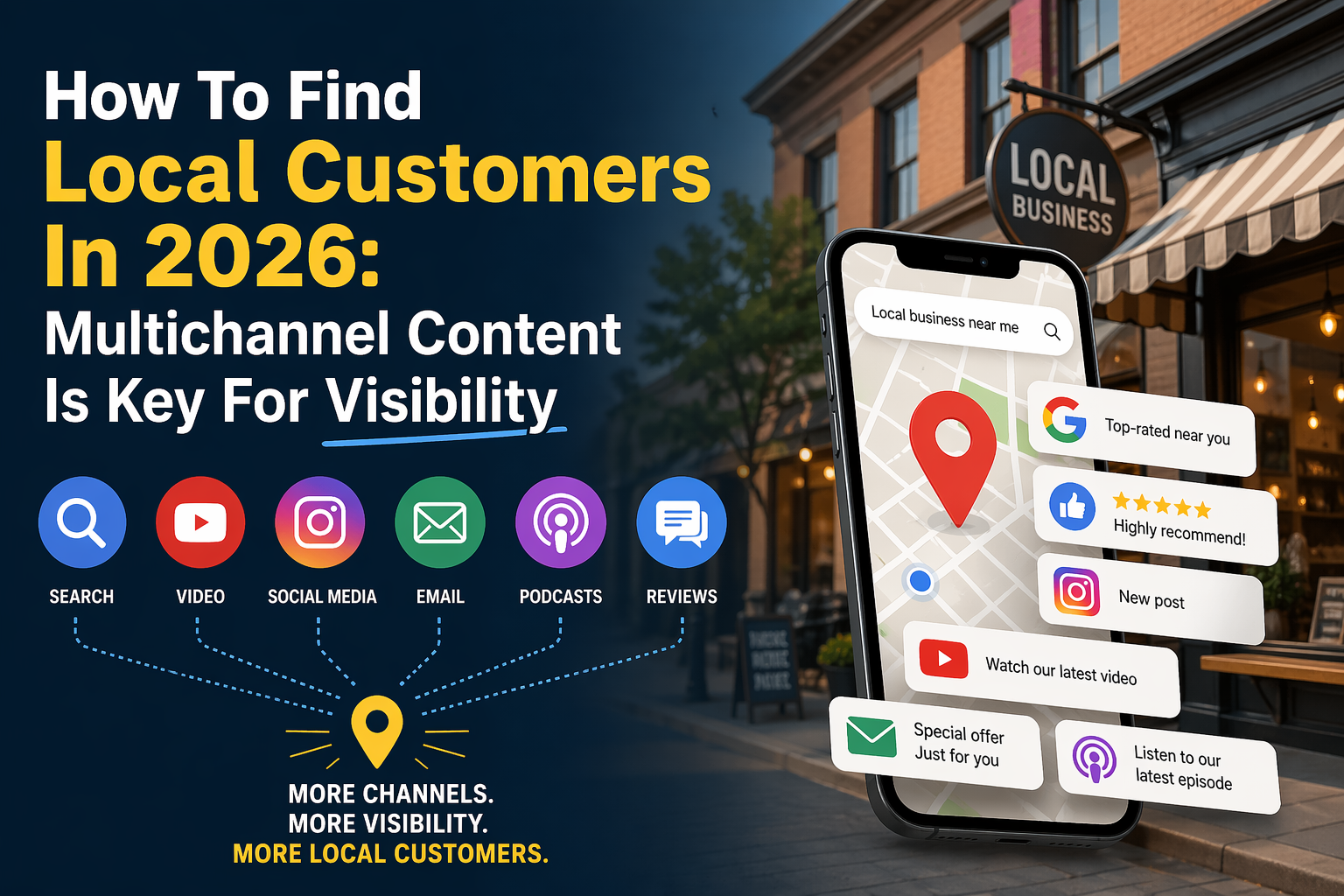
  • Multichannel content marketing, combining local SEO, social media, and review management, is necessary for modern patient acquisition
  • Complete Google Business Profiles make practices 2.7 times more trustworthy to potential patients
  • Mobile-first design is critical since over 60% of healthcare searches happen on mobile devices


Patient discovery has fundamentally changed in the digital age. Prospective chiropractic patients now research providers across search engines, social media, review platforms, and increasingly via AI-powered tools, posing new challenges for marketing and online visibility. This fragmented landscape means traditional marketing approaches no longer capture the full spectrum of patient search and decision-making. As discovery behavior expands across digital channels, multichannel content marketing is emerging as an essential strategy for maintaining visibility online.


AI-Driven Patient Discovery Changes Everything


The rise of artificial intelligence has created a seismic shift in how patients find healthcare providers. According to BrightLocal's 2026 survey, 45% of consumers now turn to AI tools like ChatGPT for local business recommendations—a dramatic increase from just 6% in 2025. This means potential patients are asking AI systems, "Find me a good chiropractor near me," and receiving recommendations based on online presence, reviews, and content quality.


This transformation extends beyond simple searches. AI algorithms analyze multiple data points, including website content, patient reviews, social media engagement, and local SEO signals to generate recommendations. For chiropractic practices, this means every piece of content published online becomes part of the data pool that AI uses to evaluate and recommend practices to potential patients. Digital Marketing Pro Shop, a company specializing in content marketing and multichannel distribution, notes that AI-driven discovery now favors businesses with consistent, high-quality content across multiple channels, rather than relying solely on isolated website optimization.


Why Traditional Marketing Fails Modern Patients


1. 43-45% of Online Appointments Booked After Hours


Zocdoc data reveals that approximately 43-45% of appointments are booked outside standard business hours, with many occurring during late nights or weekends when traditional offices are closed. This shift in booking behavior highlights a critical gap in conventional marketing approaches that rely on phone calls and business-hour interactions. Patients now expect instant access to information, online scheduling, and immediate responses to their healthcare needs.


2. Patients' Research Across Multiple Digital Platforms


Modern patients don't limit their research to a single source. They combine Google searches with social media reviews, check multiple review platforms, browse practice websites, and increasingly consult AI tools for recommendations. This multi-platform research behavior means chiropractors must maintain consistent, high-quality content across all digital touchpoints. A strong presence on one platform while neglecting others can result in lost opportunities as patients compare options across various channels.


3. AI-Driven Search Surpasses Word-of-Mouth


While word-of-mouth referrals remain valuable, AI-driven recommendations are rapidly becoming equally influential in patient decision-making. AI systems can instantly analyze thousands of reviews, website content quality, and patient satisfaction data to provide personalized recommendations. This technological shift means practices must optimize their digital presence not just for human readers, but also for AI algorithms that increasingly influence patient discovery patterns.


Building Your Multichannel Content Strategy


Platforms Every Practice Needs


A multichannel strategy requires strategic presence across key platforms where patients conduct research. Google Business Profile serves as the foundation, acting as the primary listing patients see in local searches and map results. Social media platforms, including Facebook and Instagram, provide opportunities for patient education and community building, while YouTube offers space for treatment demonstrations and educational content.


Review platforms like Yelp, Healthgrades, and Google Reviews function as critical trust-building channels where nearly 90% of consumers research before making healthcare decisions. Professional networks and local business directories also contribute to overall online visibility and credibility. Each platform requires tailored content that speaks to the specific audience and format expectations while maintaining consistent messaging about practice values and expertise.


Content Types That Convert Browsers to Patients


Educational content that addresses common patient concerns performs exceptionally well across all platforms. Treatment explanation videos, condition-specific blog posts, and before-and-after case studies help potential patients understand services while building trust in clinical expertise. Patient testimonials and success stories provide social proof that influences decision-making, particularly when shared across multiple channels.


Interactive content such as pain assessment quizzes, posture evaluation guides, and exercise demonstrations engages visitors while providing value. This type of content positions practices as helpful resources rather than purely promotional entities. Regular posting of health tips, wellness advice, and answers to frequently asked questions keeps audiences engaged while improving search engine visibility through consistent content creation.


Your prospective patients are asking search engines and AI tools like ChatGPT highly specific, immediate questions ("Who is the best chiropractor for lower back pain near me?"). Multicast complete profile data, geo-targeted photo assets, and weekly, question-focused business updates. This seeds the digital data pool so your practice is the definitive, local answer recommended by both algorithms and maps.

AI Engine Broadcasting (The Local Discovery Web)

People research health questions across different media formats ("How do I improve my posture at a desk job?"). Record one authoritative, educational treatment or advice segment. Multicast the long-form video to YouTube for search authority, strip the audio for localized podcast directories, and slice the top tips into vertical micro-videos for Instagram Reels and Facebook. One answer, broadcasted everywhere.

Multi-Format Audio & Video Syndication (The Education Channels)

With 45% of patients relying on AI tools and nearly half booking after hours on mobile devices, your practice must be everywhere at once. Our proprietary multicasting strategy builds omni-channel dominance without quadrupling your workload. Book your Free Chiropractic Growth Session with Digital Marketing Pro Shop to get started.

Streamline My Patient Growth

Before booking, patients scan multiple platforms asking, "Can I trust this provider?" Actively distribute your patient review velocity across Google Reviews, Healthgrades, and Yelp. Respond to every review using the natural, conversational language and terms patients search for. This satisfies human research behavior while signaling high authority to AI engines scraping sentiment data.

Algorithmic Review & Sentiment Distribution (The Proof Network)

Stop wasting time creating isolated content that only hits one platform. If you aren't multicasting your clinical expertise across search engines, maps, video, and AI datasets simultaneously, you are leaving money on the table. Contact Digital Marketing Pro Shop today for a Free Blueprint Scan to turn your marketing into a 24/7 patient acquisition engine.

Audit My Multicasting Potential

Over 60% of searches happen on mobile, often late at night when patients are in pain and asking, "Can I get an appointment tomorrow?" Optimize your website’s code layer with precise FAQ and Medical Schema markup. This syndicates self-contained answers perfectly to voice assistants and mobile AI summaries, leading searchers directly to a seamless, mobile-friendly 24/7 online booking button.

Semantic Schema & Mobile Infrastructure (The Instant Answer Layer)

Local SEO and Google Business Optimization

Why Complete Profiles Are 2.7x More Trusted


Google Business Profile optimization directly impacts patient trust and discovery. Research shows that complete profiles with accurate information, multiple photos, and regular updates are 2.7 times more likely to be considered reputable by potential patients. This trust factor becomes even more critical as AI systems use profile completeness as a ranking signal when generating local business recommendations.


Required elements include accurate NAP (Name, Address, Phone) information, detailed service descriptions, high-quality photos of the facility and staff, and current business hours, including holiday schedules. Regular posting of updates, events, and health tips keeps profiles active and engaging. Patient reviews and prompt responses to feedback demonstrate active management and patient-focused service.


Mobile-First Design for 60%+ of Healthcare Searches


Mobile optimization has become non-negotiable as mobile users account for over 60% of healthcare-related searches. Google's mobile-first indexing means search rankings are primarily determined by mobile site performance, making responsive design necessary for visibility. Fast loading times, easy navigation, and thumb-friendly buttons directly impact both user experience and search rankings.


Online booking functionality must work seamlessly on mobile devices since patients increasingly expect to schedule appointments instantly. Contact information should be easily accessible with click-to-call functionality, and location details must integrate with mapping applications. Mobile-optimized content should prioritize scannable formatting with clear headings, bullet points, and concise paragraphs that accommodate smaller screens and shorter attention spans.


Social Media That Actually Generates Leads


Facebook and Instagram Patient Education


Facebook and Instagram serve as powerful patient education platforms when used strategically. Educational posts about common conditions, treatment benefits, and preventive care establish expertise while providing genuine value to followers. Behind-the-scenes content showcasing facility cleanliness, staff expertise, and patient-centered care builds trust and humanizes the practice brand.


Live Q&A sessions and educational videos perform particularly well, generating engagement while positioning practitioners as accessible experts. Patient success stories (with permission) and treatment explanations help potential patients understand services and outcomes. Consistent posting schedules and prompt responses to comments and messages demonstrate active patient engagement and responsiveness.


YouTube for Treatment Demonstrations


YouTube provides an ideal platform for longer-form educational content that builds authority and trust. Treatment demonstration videos, exercise tutorials, and condition explanations help patients understand care approaches while showcasing clinical expertise. These videos often rank in Google search results, extending reach beyond the YouTube platform itself.


Effective YouTube content includes clear explanations of treatment benefits, patient testimonials, and facility tours that address common concerns about chiropractic care. Educational series covering topics like posture improvement, pain management, and injury prevention provide ongoing value while encouraging subscription and regular engagement. Professional production quality and consistent branding across videos improve credibility and professionalism.


Review Management in the AI Era

90% Use Reviews in Decision-Making Process


Online reviews have become as influential as personal recommendations, with nearly 90% of consumers trusting them when making healthcare decisions. This trust extends to AI recommendation systems that analyze review sentiment, quantity, and recency when suggesting local businesses. Positive reviews not only influence human decision-making but also improve AI algorithm rankings and recommendations.


Encouraging satisfied patients to leave reviews across multiple platforms creates a positive online presence. Google Reviews, Yelp, Healthgrades, and Facebook reviews all contribute to the overall reputation and search visibility. The volume and quality of reviews directly impact local search rankings and AI recommendation algorithms that increasingly influence patient discovery.


Responding to Build AI Algorithm Trust


Active review management involves more than collecting positive feedback—it requires strategic responses that demonstrate patient-focused care and professionalism. Thoughtful responses to both positive and negative reviews show potential patients that the practice values feedback and actively engages with patient concerns. These interactions also provide signals to AI algorithms about practice responsiveness and customer service quality.


Professional response templates should address specific patient concerns while maintaining privacy and professionalism. Negative reviews present opportunities to demonstrate problem-solving skills and commitment to patient satisfaction. Quick response times and empathetic communication build trust with both current and prospective patients while signaling to search algorithms that the business actively manages its online reputation.


Start Your Multichannel Strategy Today for Maximum Patient Discovery


Implementing a multichannel content strategy requires coordinated effort across multiple platforms, but the investment pays dividends in increased patient discovery and acquisition. Begin with Google Business Profile (GBP) optimization and mobile-responsive website development as foundational elements. Add consistent social media posting and active review management to build ongoing engagement and trust.


Content creation should focus on patient education and value rather than direct promotion. Regular blog posts, social media updates, and video content establish expertise while improving search visibility across platforms. Monitor performance metrics across all channels to identify which content types and platforms generate the most patient inquiries and appointments.


Success in the modern healthcare marketing landscape requires adapting to AI-driven patient discovery while maintaining focus on genuine patient value and education. Practices that adopt multichannel content marketing position themselves for sustainable growth in an increasingly competitive digital environment.


Find the questions they are asking. Multicast the answers everywhere they are searching

Recent Posts

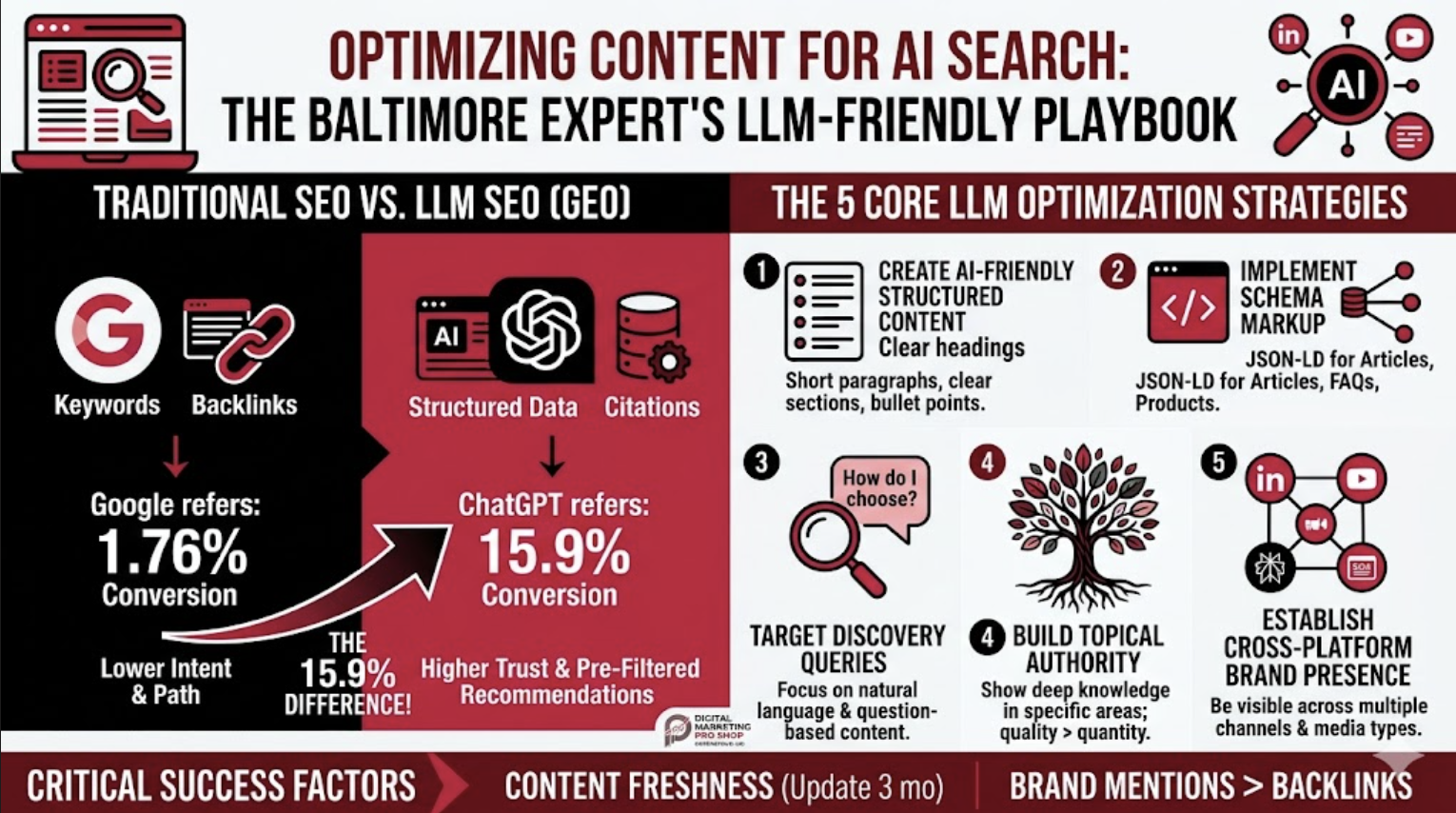
LLM SEO: How to Optimize Your Content for AI Searc
By Chet Holloway May 29, 2026
Discover how AI search optimization works. Learn why ChatGPT traffic converts at 15.9% and how to keep your Baltimore business visible in AI citations
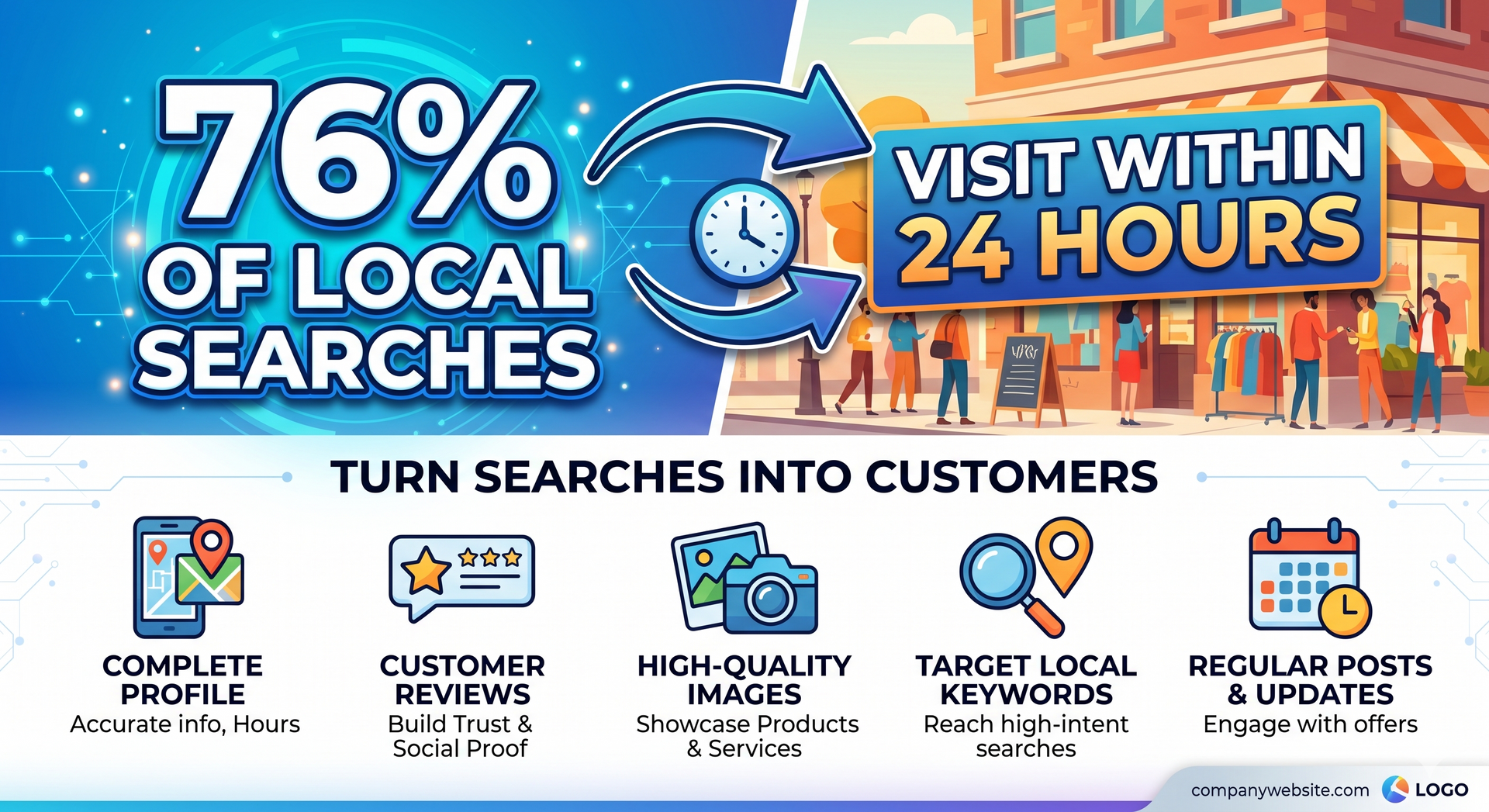
google-my-business-optimization-local-seo-tips
By Chet Holloway May 28, 2026
Did you know 76% of local searches lead to a store visit within 24 hours? Discover the simple Google My Business changes that turn searchers into buyers.
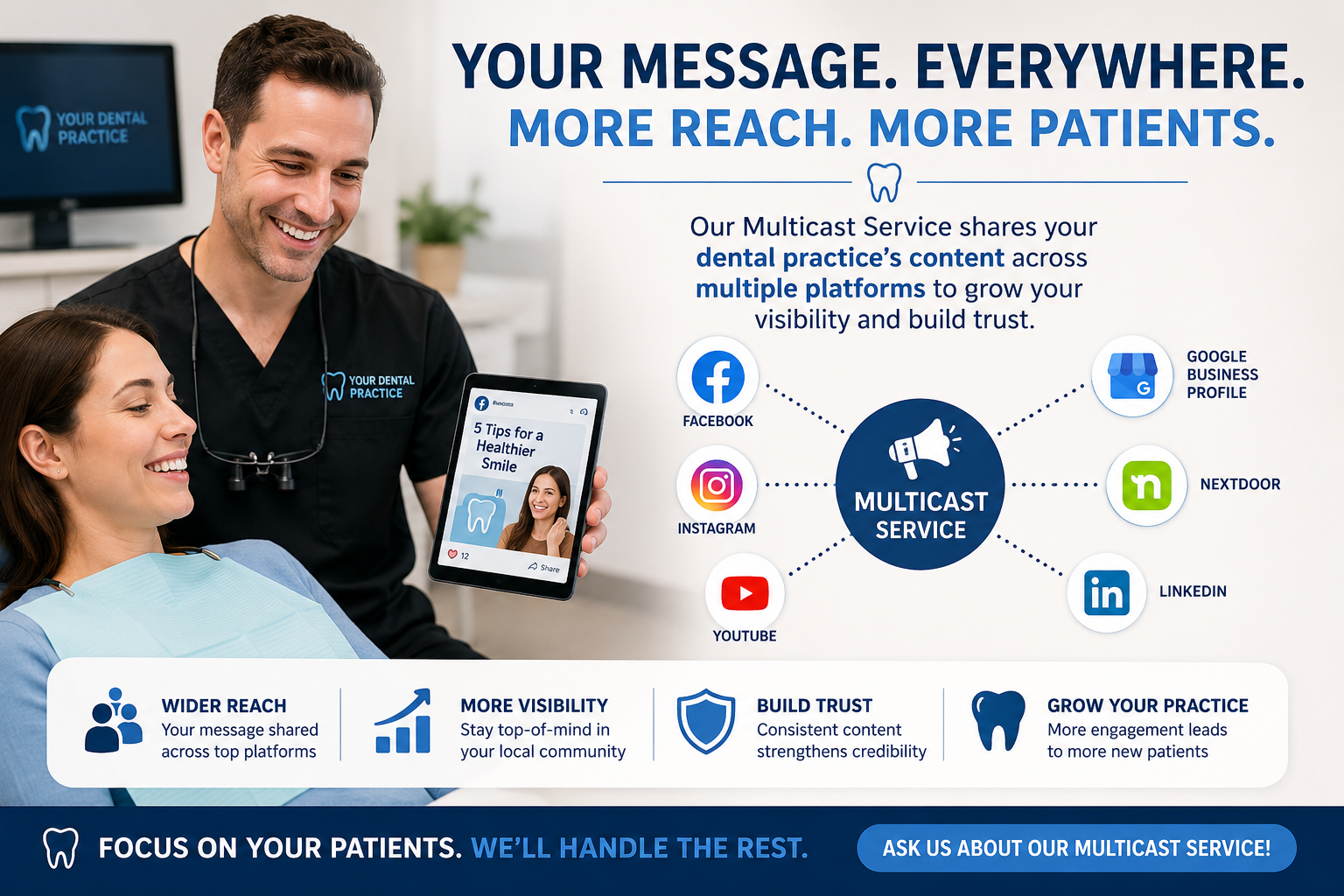
By Chet Holloway May 22, 2026
AI search engines like ChatGPT and Perplexity only mention a handful of brands per query. Multicasting, crawlable reviews, and consistent brand mentions across independent sources are what get your business recommended.

By Chet Holloway May 19, 2026
Invisible to customers? A Baltimore expert breaks down how an omnichannel marketing strategy drives revenue & visibility without expensive paid ads.
By Chet Holloway May 12, 2026
Online Search is How Homeowners Find Roofing Contractors While word-of-mouth referrals and repeat business remain important sources for finding contractors, today's homeowners increasingly conduct extensive research before choosing a roofing contractor, with 96% searching online for roofing companies. Online search engines account for 54% of how homeowners initially discover roofing services, making digital presence crucial for business growth. "This shift in consumer behavior creates both opportunity and urgency for roofing businesses. Homeowners spend significant time reading blogs, reviews, and case studies before making contact," says a spokesperson from Digital Marketing Pro Shop LLC , an agency helping Baltimore roofers enhance their online presence. "They want to understand their roofing problems, compare solutions, and identify contractors who demonstrate competence and reliability." Content Marketing Transforms Qualified Lead Generation Effective content marketing goes beyond posting random updates on social media. It requires a systematic approach that addresses specific homeowner concerns while showcasing the contractor's expertise and reliability. The most successful roofing companies follow four key principles that transform casual browsers iqualified leads. 1. Know Your Ideal Customer Demographics and Pain Points Understanding customer demographics prevents wasted time on unqualified leads. A contractor specializing in commercial metal roofing shouldn't create content targeting residential asphalt shingle replacements. Successful content marketing starts with identifying the specific customer segments a roofing business serves best. Pain points vary significantly among homeowner demographics. Young families might worry about roof safety and energy efficiency, while older homeowners may prioritize durability and low maintenance. Emergency situations like storm damage create urgent pain points requiring immediate solutions. Content that addresses these specific concerns attracts homeowners who need exactly what the contractor provides. 2. Use Clear Language and High-Quality Project Photos Technical jargon confuses potential customers rather than impressing them. Homeowners want straightforward explanations about roofing problems and solutions, delivered in language they can understand. The goal is educating customers, not demonstrating industry vocabulary mastery. High-quality project photos tell compelling stories that written descriptions cannot match. Before-and-after images of actual projects demonstrate competence while helping homeowners visualize potential outcomes for their properties. Stock photos lack authenticity—homeowners can spot generic images immediately, which undermines trust and credibility. 3. Optimize for Local Search and Google's 3-Pack Local search optimization is crucial for roofing companies since they serve specific geographic areas. Google's Local 3-Pack captures around 44% of all clicks and appears in 93% of local searches, making visibility in these results essential for lead generation. Optimization requires consistent business information across all online platforms, positive customer reviews, and location-specific content. Roofing companies that optimize their Google My Business profiles and create content targeting local search terms report 50% or more increases in local leads. The key is matching content to the specific searches homeowners perform when seeking roofing services in their area. 4. Include Strategic Calls to Action Even the most informative content fails without clear next steps for interested homeowners. Strategic calls to action guide readers from content consumption to actual contact, whether through phone calls, estimate requests, or consultation bookings. The most effective CTAs feel natural within the content flow rather than pushy or sales-focused.
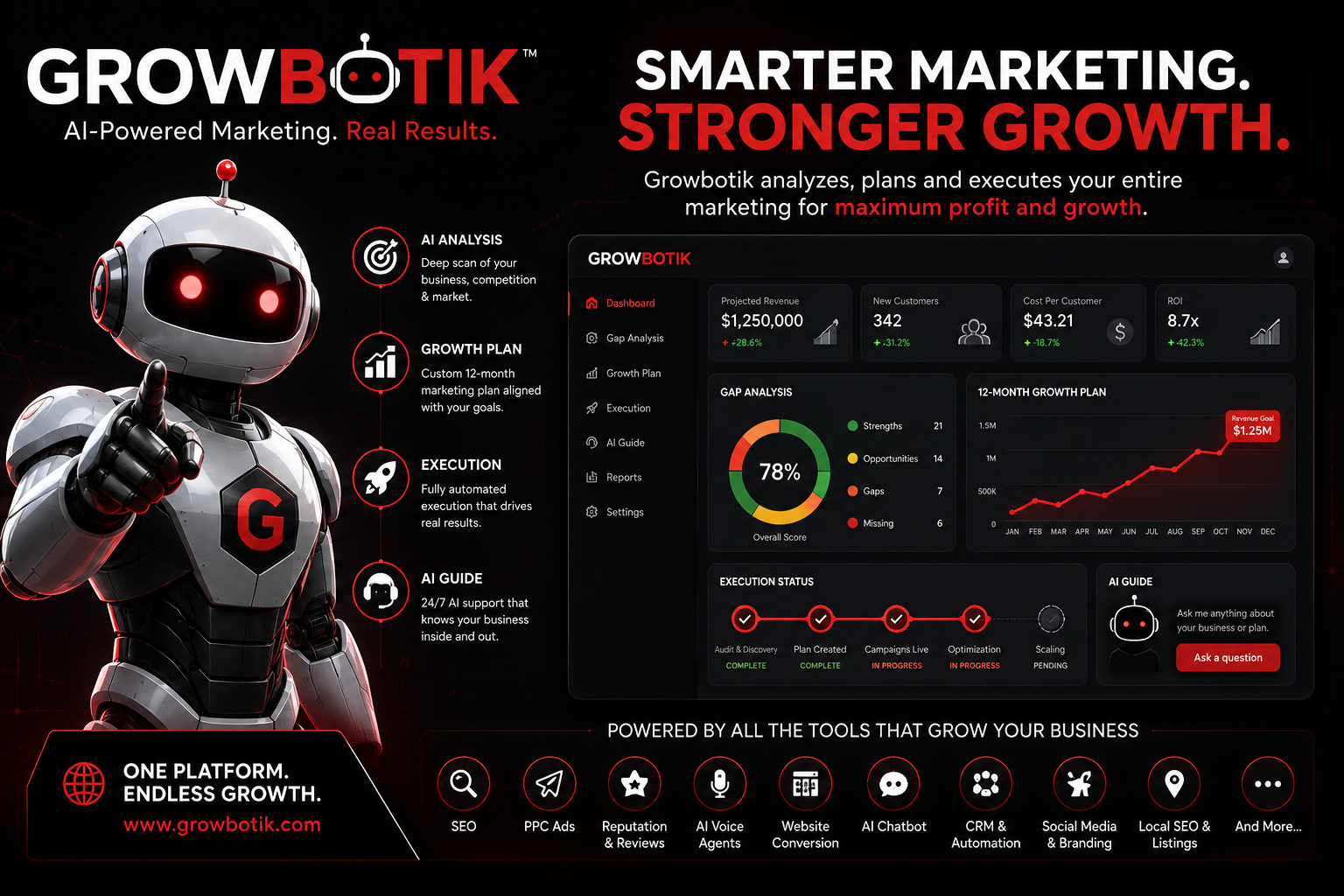
By Chet Holloway May 12, 2026
Predictive Revenue Architecture: A 12-Month Marketing Growth Plan Engineered by Growbotik
AI Search for Law Firms: How to Stay Visible When Clients Don’t Click Websit
By Chet Holloway May 10, 2026
AI Search for Law Firms: How to Stay Visible When Clients Don’t Click Websites. Learn how law firms can adapt to AI-driven search and keep attracting clients with four essential visibility strategies.
By Chet Holloway May 7, 2026
Stop guessing and start architecting. Discover Pro Ai: the smarter way for businesses to identify marketing gaps and build a data-backed 12-month growth plan

By Chet Holloway May 5, 2026
Creation is only half the battle. Discover why distribution automation is the key to ROI and how our high-precision architecture turns one asset into total market omnipresence.
By Chet Holloway May 5, 2026
Ready to dominate the local market? Baltimore content marketing experts at Digital Marketing Pro Shop explain how to architect a high-precision organic traffic engine
Show More

Share this article