
Omnichannel Marketing Strategy: Baltimore Expert Breaks Down Process & Benefits

Most small businesses are invisible to potential customers who now research across an average of six platforms before buying. But there's a strategic approach that's been helping businesses improve brand visibility significantly without paid ads.


As seen on

And 300+ sites

Key Takeaways

  • Omnichannel marketing aims to create widespread brand visibility across all digital platforms where customers research, reducing reliance on paid advertising while driving increased sales
  • 73% of consumers use multiple channels during their shopping journey, with buyers typically using an average of six touchpoints during their buying process
  • Businesses implementing omnichannel strategies see a 9.5% year-over-year increase in annual revenue compared to single-channel approaches
  • Content repurposing involves creating content in multiple formats and optimizing for each platform's unique characteristics and algorithms
  • Successful omnichannel implementation  creates a self-feeding growth cycle where traffic from one platform amplifies visibility across all others

Modern consumers don't shop the way they used to. Before making any purchase decision, they're researching across search engines, social media, video platforms, podcasts, and even AI tools like ChatGPT. This shift in consumer behavior has fundamentally changed how businesses need to approach marketing, making omnichannel strategies not just helpful, but necessary for survival in today's competitive marketplace.

Omnichannel Marketing Reaches Customers Across Multiple Platforms

Omnichannel marketing is the practice of creating a seamless, consistent customer experience across all touchpoints where potential buyers might encounter your brand. Unlike multichannel marketing, which simply uses multiple platforms, omnichannel marketing integrates these platforms to work together harmoniously, creating a unified brand experience that follows customers wherever they go in their research process.


"The core principle behind omnichannel marketing is simple: be present and helpful wherever your customers are looking for information," says a spokesperson from Digital Marketing Pro Shop, creator of the omnichannel framework "MultiCasting." "This means having optimized content on Google, engaging social media posts, informative videos on YouTube, relevant podcast appearances, and even ensuring your business appears in AI-generated responses when people ask questions related to your industry."


Studies show that consumers typically use an average of six touchpoints, with nearly 50% regularly using more than four, when making a purchase decision.


Why Most Businesses Lose Sales


The majority of small to medium-sized businesses are losing potential customers every day because they're not visible where modern consumers are actually looking. This visibility gap creates two critical problems that directly impact revenue and growth potential.


1. Limited Platform Presence


Most businesses focus their efforts on just one or two platforms, typically their website and maybe Facebook or Google Ads. While these platforms can generate some results, they represent only a fraction of where potential customers are actually researching. When businesses limit their presence to these traditional channels, they're essentially invisible to the majority of research activity happening on YouTube, social media, AI tools, and podcasts.


2. Single-Channel Dependency Risk


Businesses that rely heavily on a single traffic source face significant risks when algorithms change, advertising costs increase, or platform policies shift. Companies that depend primarily on Google Ads, for example, can see their customer acquisition costs skyrocket overnight. Similarly, businesses that rely solely on organic Google search traffic can lose substantial revenue when search algorithm updates affect their rankings.


This dependency also limits growth potential. When businesses put all their marketing efforts into one channel, they're competing against every other business using that same approach, often driving up costs and reducing effectiveness over time.


The Real Goal: Brand Visibility Everywhere


The primary objective of omnichannel marketing is achieving widespread brand visibility across every platform where potential customers conduct research. This isn't just about being present—it's about being helpful, authoritative, and easily discoverable at each stage of the customer process.


Seamless Cross-Platform Experience


True omnichannel success creates a seamless experience where customers encounter consistent, valuable information regardless of which platform they're using. Whether someone finds your business through a Google search, YouTube video, podcast interview, or social media post, they should receive the same high-quality, helpful content that builds trust and demonstrates expertise.


This consistency doesn't mean posting identical content everywhere. Instead, it means adapting your core message and expertise to fit each platform's unique characteristics and user expectations. A detailed blog post might become a series of Instagram posts, a YouTube video, and a podcast discussion, each optimized for its specific audience and format while maintaining consistent brand messaging.


Building Compound Growth


Omnichannel marketing creates compound growth effects that single-channel approaches simply cannot achieve. When content performs well on one platform, it increases brand recognition and search volume, which then improves performance across all other platforms. This creates a self-reinforcing cycle where success on each platform amplifies overall brand visibility.


Businesses implementing omnichannel strategies experience, on average, a 9.5% year-over-year increase in annual revenue, demonstrating the financial impact of this unified approach. The compound effect means that results accelerate over time rather than plateauing like many single-channel strategies.

Ready to Stop Being Invisible to 73% of Your Market?

Don't let your competitors capture the modern consumer while your business stays limited to just one or two platforms. At Digital Marketing Pro Shop LLC, we specialize in transforming your expertise into our proprietary MultiCasting omnichannel framework—putting your brand everywhere your customers are researching, without the skyrocketing costs of paid ads.

Let our Baltimore experts map out exactly where you're losing sales and how to fix it.


How Omnichannel Marketing Achieves These Goals


Effective omnichannel marketing requires a systematic approach to content creation, distribution, and optimization. Success depends on understanding how each platform works and what type of content performs best in each environment.


Multi-Format Content Publishing


The foundation of successful omnichannel marketing is creating content in multiple formats that can be optimized for different platforms. This means taking a single piece of core information and transforming it into news articles for authority building, social media posts for engagement, short-form videos for viral potential, infographics for visual searches, podcast interviews for thought leadership, blog posts for SEO, and longer videos for in-depth education.


Each format serves a specific purpose and reaches different audience segments. Some people prefer reading detailed articles, others want quick video explanations, and still others learn best through podcast discussions. By creating content in multiple formats, businesses can reach all these different learning preferences and consumption habits.


The Self-Feeding Growth Cycle


When implemented correctly, omnichannel marketing creates a self-feeding growth cycle. Increased visibility on one platform drives brand searches, which improves performance across all platforms. Higher overall brand recognition leads to more direct website visits, better email open rates, increased social media engagement, and improved conversion rates on paid advertising.


This cycle becomes particularly powerful because algorithms on most platforms favor content from brands that users actively search for and engage with. As brand recognition grows, platforms are more likely to show content to relevant audiences, creating organic amplification effects that don't require additional advertising spend.


Why Simple AI Tools Fall Short


While AI tools like ChatGPT can help with basic content creation, they cannot provide the strategic optimization and platform-specific customization required for effective omnichannel marketing. Each platform has unique algorithm requirements, audience expectations, and content formats that require human expertise to optimize properly.


Successful omnichannel marketing requires understanding subtle differences in how content should be formatted, titled, tagged, and timed for each platform. It also requires ongoing optimization based on performance data and algorithm changes—something that generic AI tools simply cannot provide.

Using Authoritative Platforms for Authority Signals


A vital component of omnichannel success is gaining visibility on high-authority platforms that search engines and consumers trust. This includes getting featured in news publications, being quoted as an expert source, appearing on established podcasts, and having content published on well-respected industry websites.


These authority signals don't just drive direct traffic—they also improve overall brand credibility and search engine rankings. When authoritative websites link to or mention a business, it signals to both algorithms and consumers that the business is trustworthy and knowledgeable in their field.


Long-Term ROI vs Paid Advertising


While paid advertising provides immediate results, omnichannel marketing builds long-term assets that continue generating traffic and sales over time. Content created today can drive traffic and conversions for years, creating compounding returns that far exceed the initial investment.


Digital Marketing Pro Shop LLC reports that their clients have achieved significant results through organic traffic strategies. These results demonstrate how quality omnichannel content can generate substantial returns without ongoing advertising costs.


Reduced Customer Acquisition Costs


As organic visibility increases across multiple platforms, businesses naturally reduce their dependence on paid advertising for customer acquisition. The combination of improved organic reach and higher conversion rates from better-educated prospects leads to significantly lower customer acquisition costs.


Companies that build strong organic presence across multiple channels often eliminate the need for expensive paid advertising while providing more qualified leads who are already educated about the products and services.


Start Your Omnichannel Strategy Today


Implementing an effective omnichannel marketing strategy requires careful planning, consistent execution, and ongoing optimization. The key is starting with a systematic approach that prioritizes the platforms where your target audience is most active and gradually expanding your presence across additional channels.


"Remember that omnichannel marketing is a long-term strategy that builds momentum over time," says Digital Marketing Pro Shop's spokesperson. "While results may start modestly, the compound effects of increased brand visibility across multiple platforms create substantial growth opportunities that single-channel approaches simply cannot match."


Ready to Stop Being Invisible to 73% of Your Market?

Don't let your competitors capture the modern consumer while your business stays limited to just one or two platforms. At Digital Marketing Pro Shop LLC, we specialize in transforming your expertise into our proprietary MultiCasting omnichannel framework—putting your brand everywhere your customers are researching, without the skyrocketing costs of paid ads.

Let our Baltimore experts map out exactly where you're losing sales and how to fix it.


Recent Posts

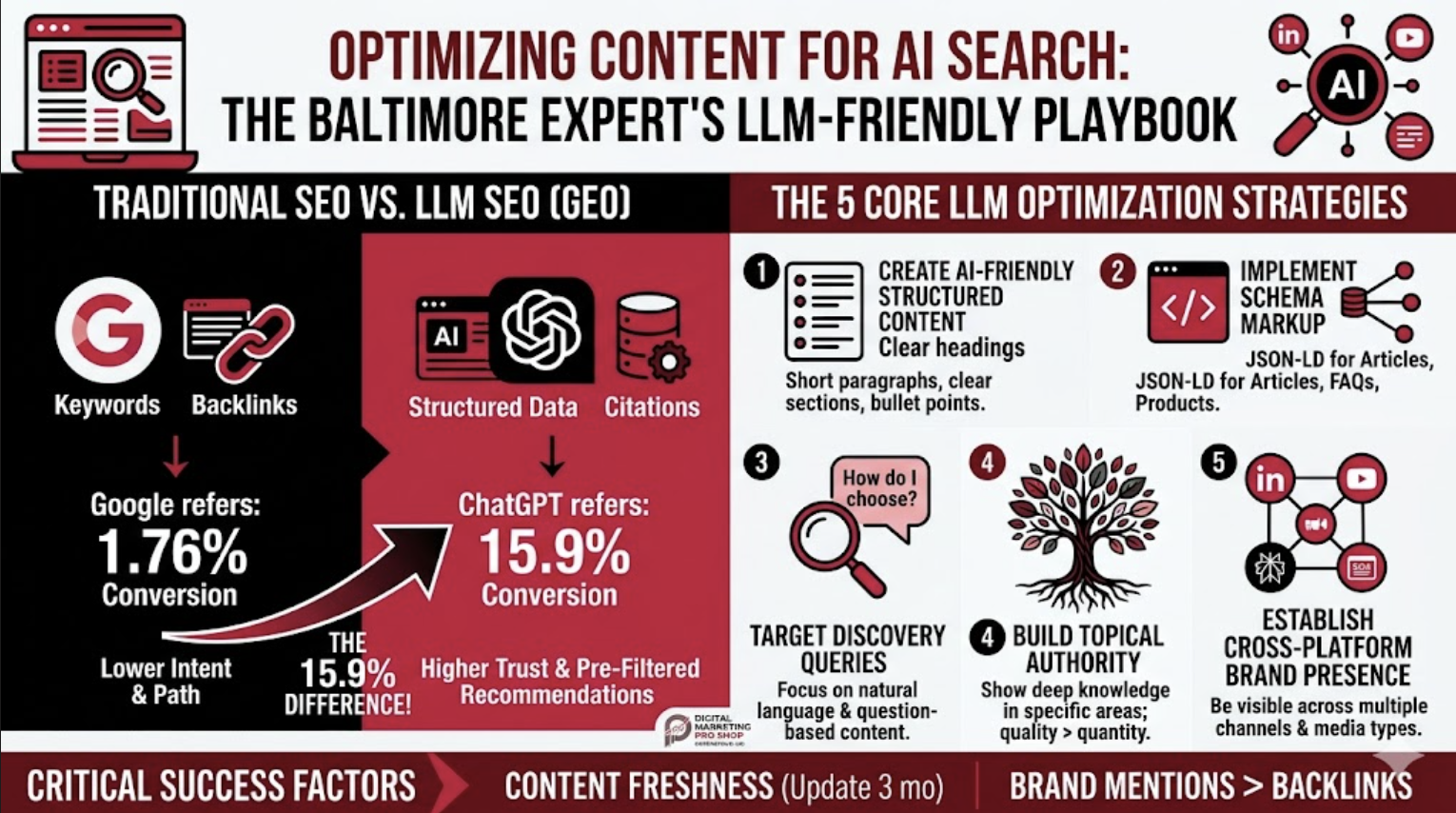
LLM SEO: How to Optimize Your Content for AI Searc
By Chet Holloway May 29, 2026
Discover how AI search optimization works. Learn why ChatGPT traffic converts at 15.9% and how to keep your Baltimore business visible in AI citations
google-my-business-optimization-local-seo-tips
By Chet Holloway May 28, 2026
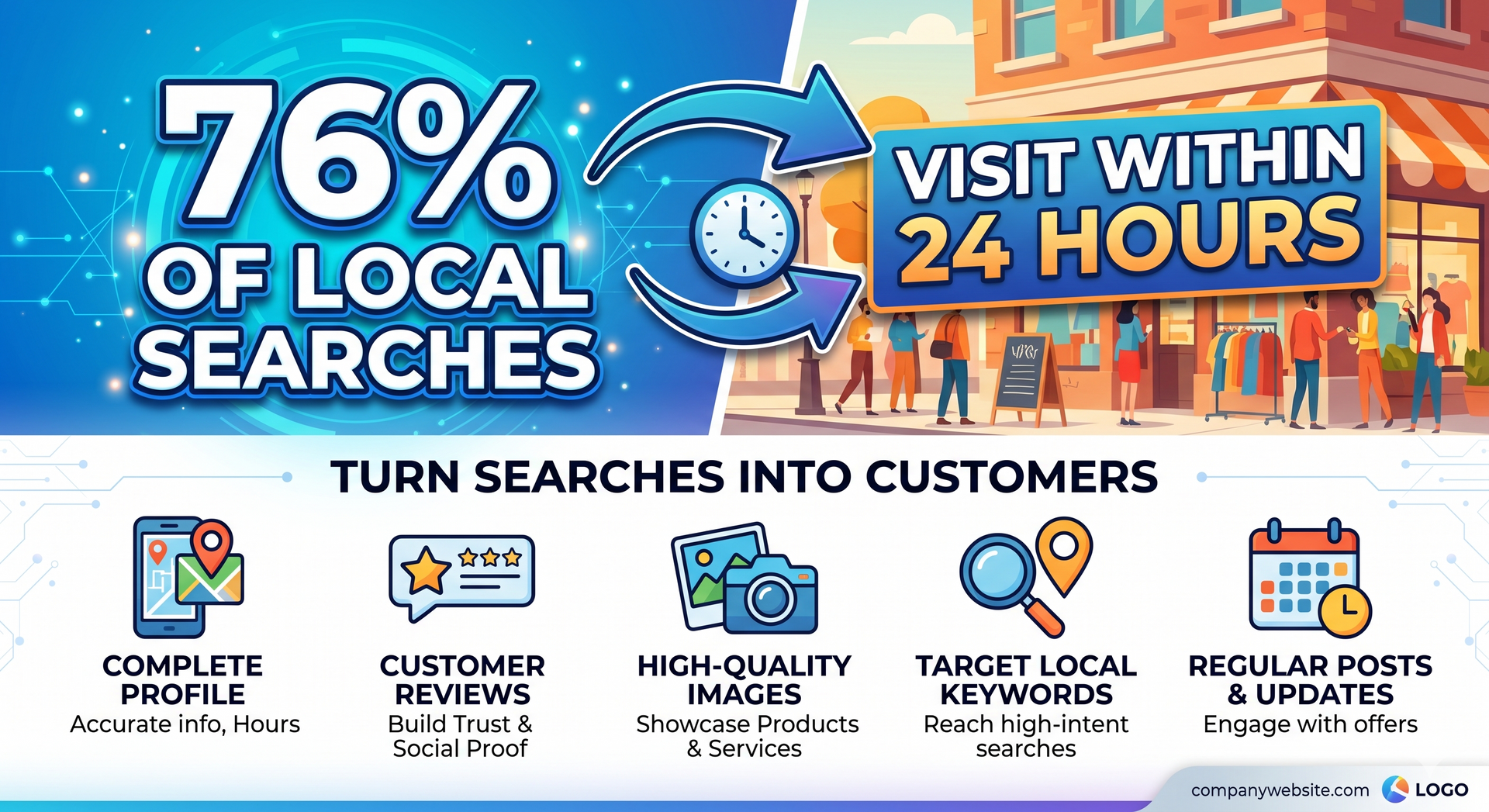
Did you know 76% of local searches lead to a store visit within 24 hours? Discover the simple Google My Business changes that turn searchers into buyers.
By Chet Holloway May 22, 2026
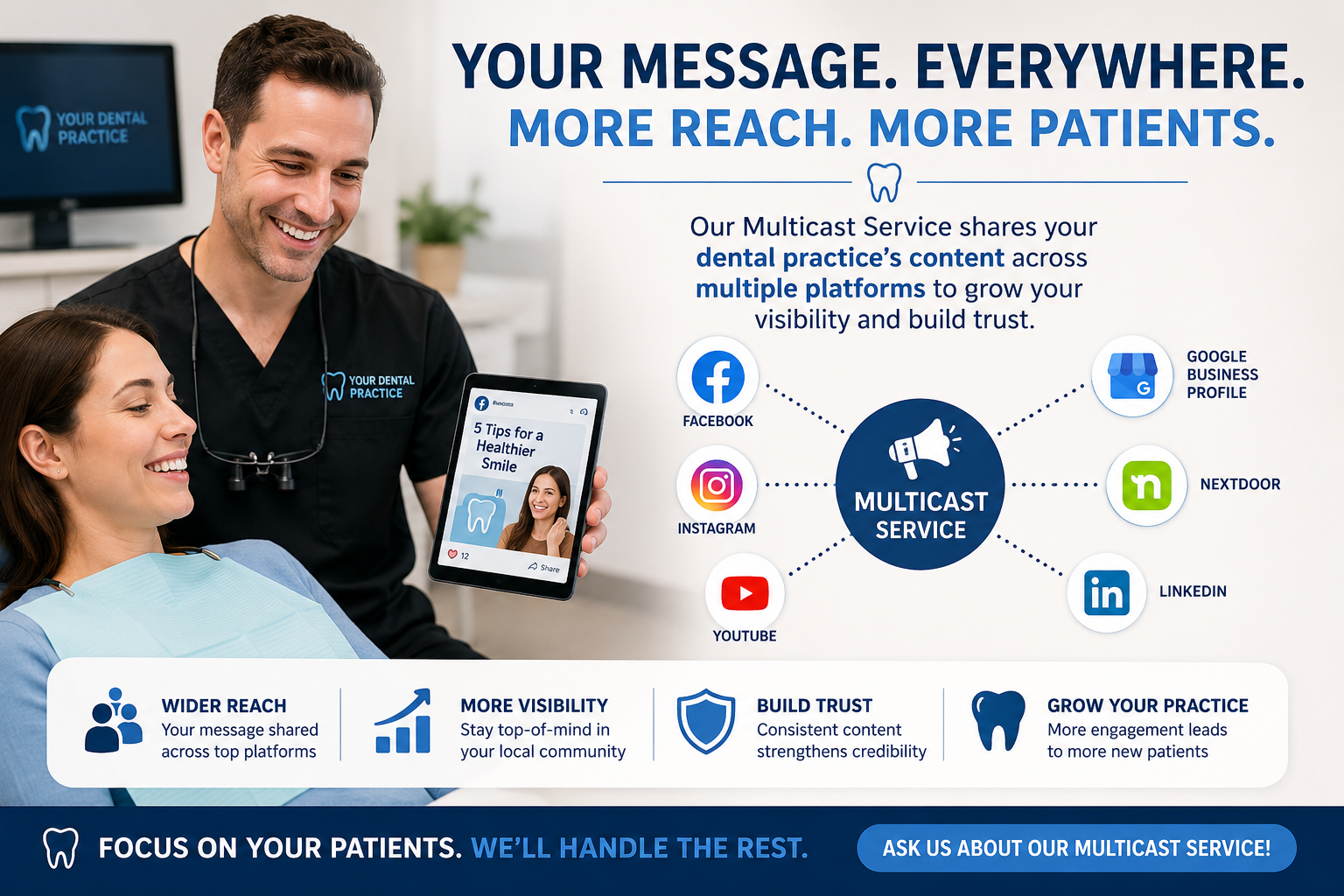
AI search engines like ChatGPT and Perplexity only mention a handful of brands per query. Multicasting, crawlable reviews, and consistent brand mentions across independent sources are what get your business recommended.
By Chet Holloway May 12, 2026
Online Search is How Homeowners Find Roofing Contractors While word-of-mouth referrals and repeat business remain important sources for finding contractors, today's homeowners increasingly conduct extensive research before choosing a roofing contractor, with 96% searching online for roofing companies. Online search engines account for 54% of how homeowners initially discover roofing services, making digital presence crucial for business growth. "This shift in consumer behavior creates both opportunity and urgency for roofing businesses. Homeowners spend significant time reading blogs, reviews, and case studies before making contact," says a spokesperson from Digital Marketing Pro Shop LLC , an agency helping Baltimore roofers enhance their online presence. "They want to understand their roofing problems, compare solutions, and identify contractors who demonstrate competence and reliability." Content Marketing Transforms Qualified Lead Generation Effective content marketing goes beyond posting random updates on social media. It requires a systematic approach that addresses specific homeowner concerns while showcasing the contractor's expertise and reliability. The most successful roofing companies follow four key principles that transform casual browsers iqualified leads. 1. Know Your Ideal Customer Demographics and Pain Points Understanding customer demographics prevents wasted time on unqualified leads. A contractor specializing in commercial metal roofing shouldn't create content targeting residential asphalt shingle replacements. Successful content marketing starts with identifying the specific customer segments a roofing business serves best. Pain points vary significantly among homeowner demographics. Young families might worry about roof safety and energy efficiency, while older homeowners may prioritize durability and low maintenance. Emergency situations like storm damage create urgent pain points requiring immediate solutions. Content that addresses these specific concerns attracts homeowners who need exactly what the contractor provides. 2. Use Clear Language and High-Quality Project Photos Technical jargon confuses potential customers rather than impressing them. Homeowners want straightforward explanations about roofing problems and solutions, delivered in language they can understand. The goal is educating customers, not demonstrating industry vocabulary mastery. High-quality project photos tell compelling stories that written descriptions cannot match. Before-and-after images of actual projects demonstrate competence while helping homeowners visualize potential outcomes for their properties. Stock photos lack authenticity—homeowners can spot generic images immediately, which undermines trust and credibility. 3. Optimize for Local Search and Google's 3-Pack Local search optimization is crucial for roofing companies since they serve specific geographic areas. Google's Local 3-Pack captures around 44% of all clicks and appears in 93% of local searches, making visibility in these results essential for lead generation. Optimization requires consistent business information across all online platforms, positive customer reviews, and location-specific content. Roofing companies that optimize their Google My Business profiles and create content targeting local search terms report 50% or more increases in local leads. The key is matching content to the specific searches homeowners perform when seeking roofing services in their area. 4. Include Strategic Calls to Action Even the most informative content fails without clear next steps for interested homeowners. Strategic calls to action guide readers from content consumption to actual contact, whether through phone calls, estimate requests, or consultation bookings. The most effective CTAs feel natural within the content flow rather than pushy or sales-focused.
By Chet Holloway May 12, 2026
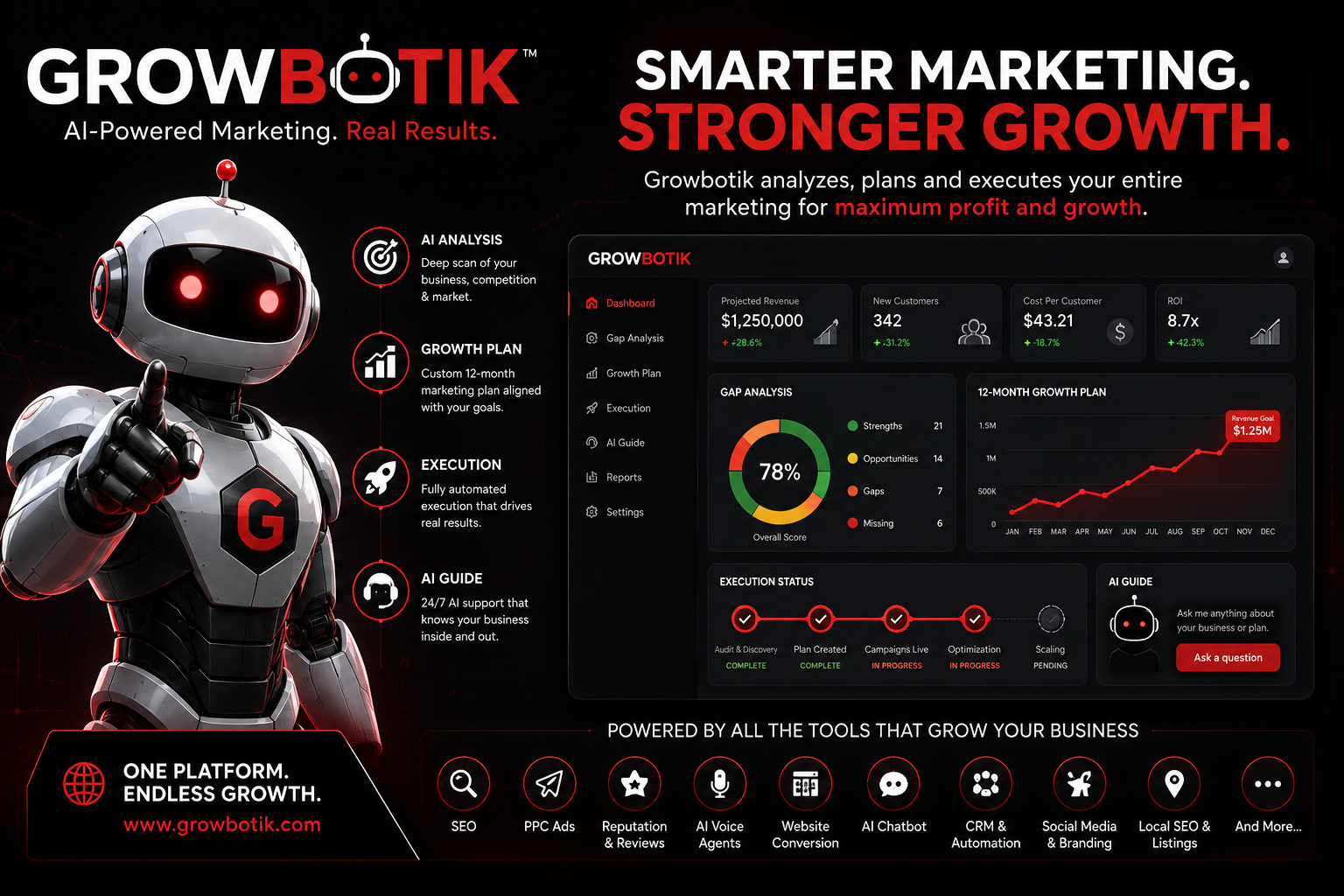
Predictive Revenue Architecture: A 12-Month Marketing Growth Plan Engineered by Growbotik
AI Search for Law Firms: How to Stay Visible When Clients Don’t Click Websit
By Chet Holloway May 10, 2026
AI Search for Law Firms: How to Stay Visible When Clients Don’t Click Websites. Learn how law firms can adapt to AI-driven search and keep attracting clients with four essential visibility strategies.
By Chet Holloway May 7, 2026
Stop guessing and start architecting. Discover Pro Ai: the smarter way for businesses to identify marketing gaps and build a data-backed 12-month growth plan
By Chet Holloway May 5, 2026
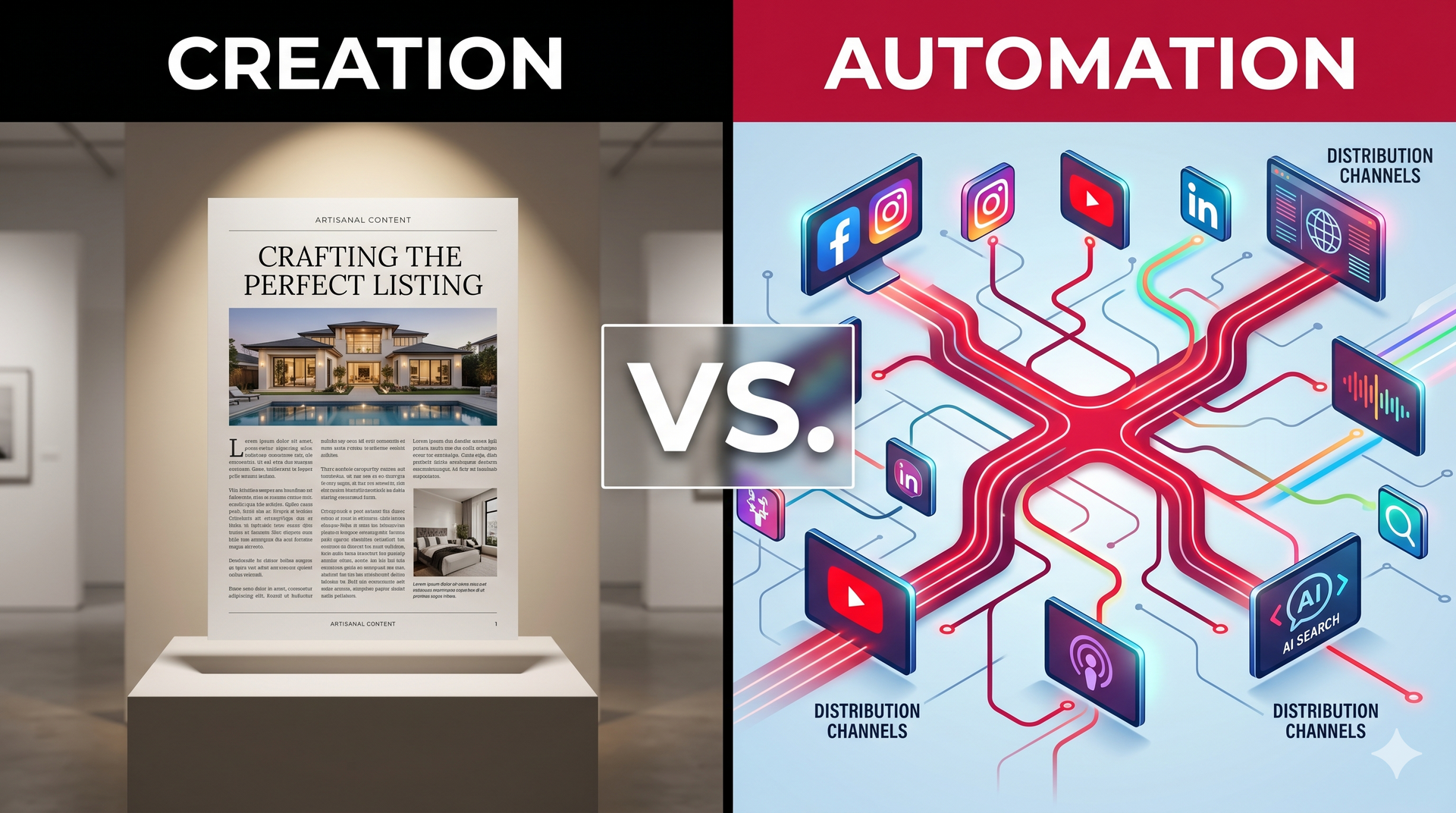
Creation is only half the battle. Discover why distribution automation is the key to ROI and how our high-precision architecture turns one asset into total market omnipresence.
By Chet Holloway May 5, 2026
Ready to dominate the local market? Baltimore content marketing experts at Digital Marketing Pro Shop explain how to architect a high-precision organic traffic engine
April 24, 2026
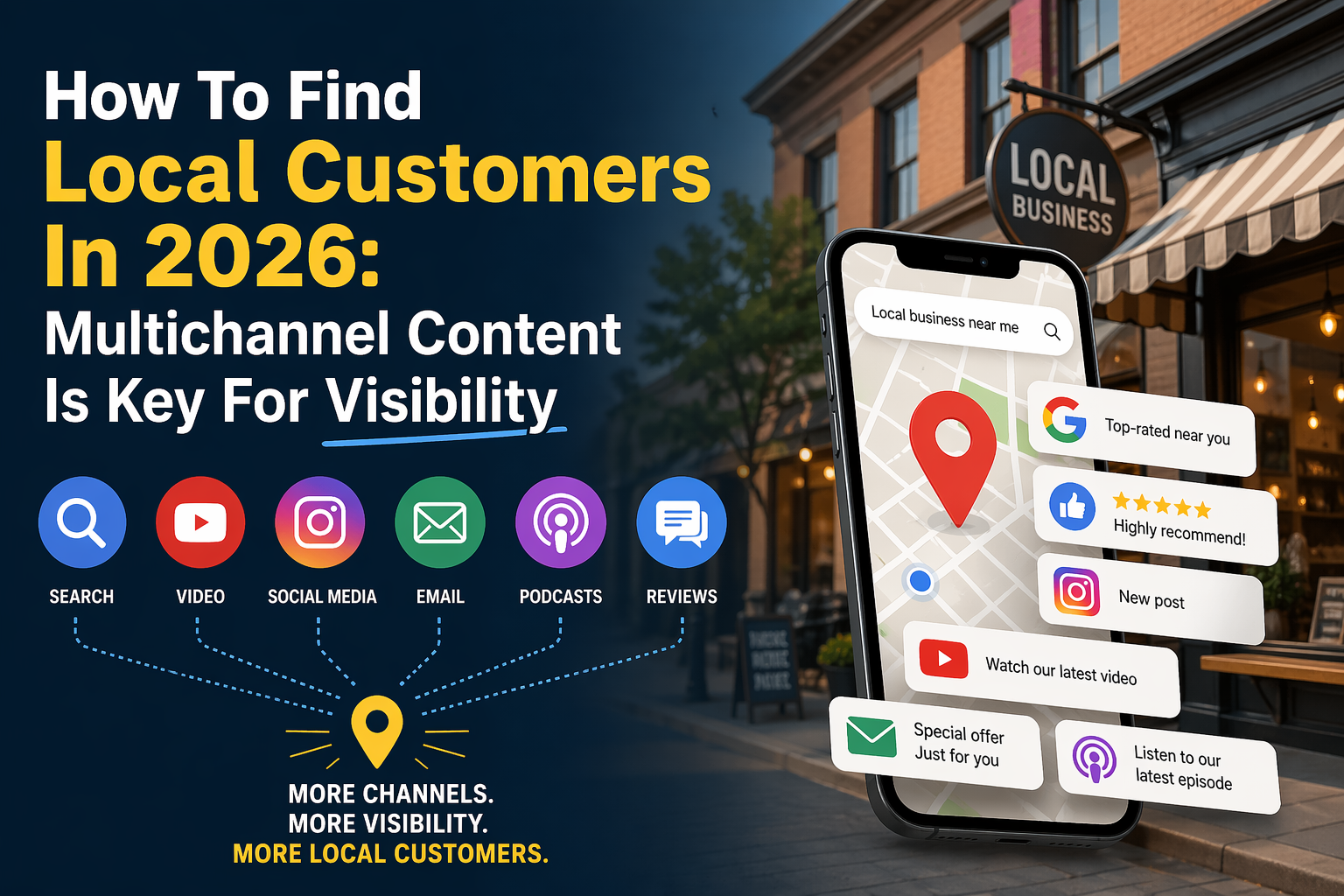
Looking for local customers in 2026? Discover why multichannel content is the key to local visibility and how to architect a strategy that dominates your market
Show More

Share this article