

If you have ever wondered exactly how much it costs to acquire a new customer or wished you had a top-tier analyst on payroll without the six-figure salary, you’re looking for Growbotik . Discover how this autonomous system is changing the face of digital marketing by replacing guesswork with 100% data-driven precision.

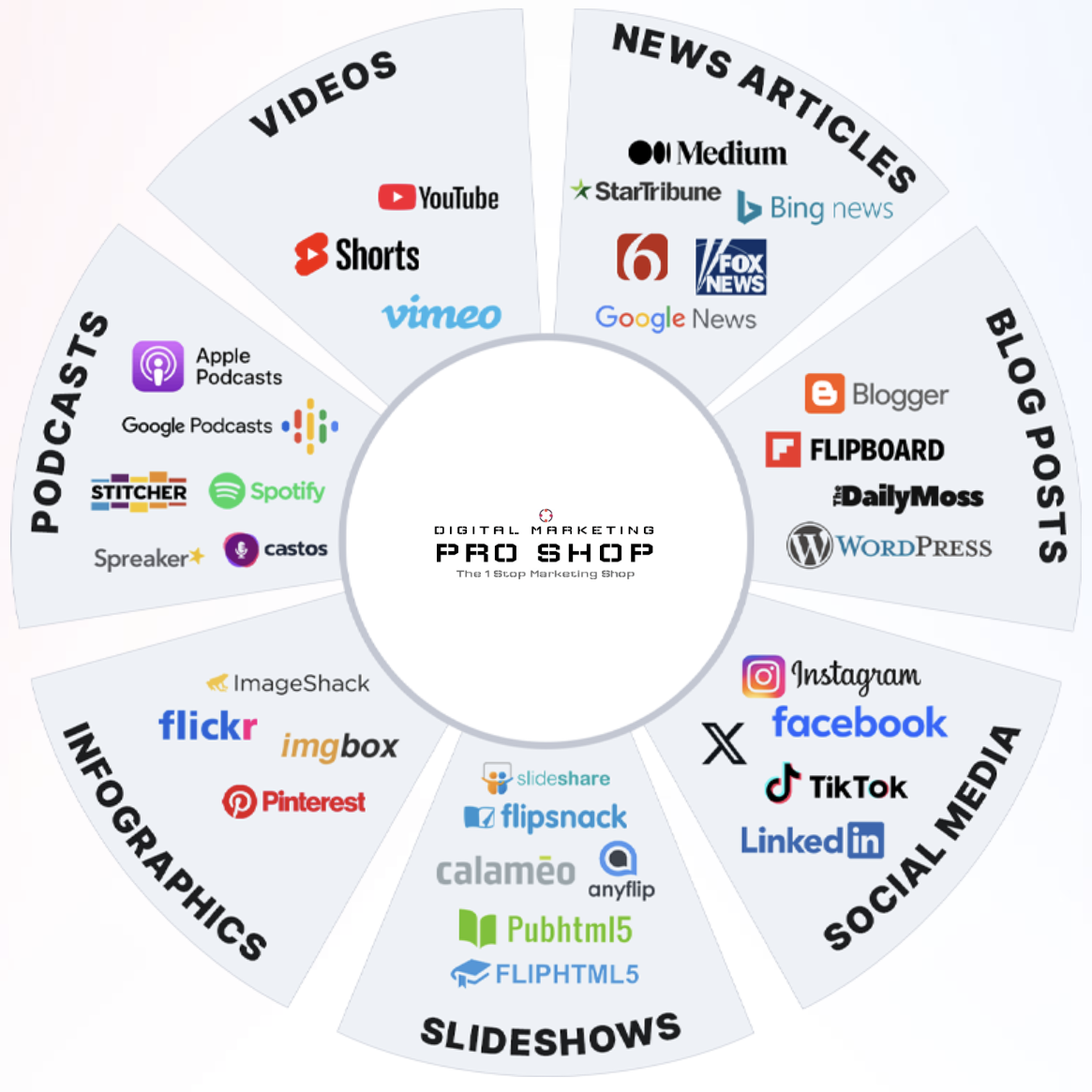
Key Takeaways Organic traffic is free website visitors from unpaid search results that generate 5.8x more leads per dollar than paid advertising Businesses can capture local customers since 32% of U.S. consumers search for local services multiple times weekly Multicasting involves distributing content across numerous platforms to reach customers everywhere they research before buying Optimized Google Business Profiles significantly increase foot traffic and phone calls from local search results Long-term organic traffic compounds over time unlike paid ads that stop working when budget runs out Modern consumers research across multiple platforms before making purchase decisions. Understanding organic traffic and how to capture it has become vital for businesses seeking sustainable growth without constant ad spending. Organic Traffic Drives Sales Without Ongoing Ad Spend Organic traffic refers to website visitors who find a business through unpaid search results on Google, Bing, and other search engines. Unlike paid advertising, where businesses pay for each click, organic traffic flows to websites naturally when content matches what searchers want to find. According to Baltimore-based Digital Marketing Pro Shop , "At Digital Marketing Pro Shop , we find that the value of organic traffic extends far beyond just being "free." “These visitors actively searched for specific products, services, or information, indicating higher purchase intent compared to people who accidentally clicked on advertisements,” its spokesperson explained. “. Our research foundshows that organic search drives over 50% of all website traffic, making it a foundational element for long-term digital marketing success.”. Content marketing, which generates organic traffic, costs 62% less than traditional marketing while producing approximately three times as many leads. Why Businesses Need Organic Traffic Now Organic traffic provides three critical advantages that paid advertising simply cannot match for long-term business growth. 1. Buyers Research Across Multiple Platforms Before Purchasing Modern customers don't make quick purchasing decisions anymore. Research shows most people investigate businesses across multiple platforms before choosing who to hire or buy from. They start with Google searches, then move to YouTube videos, check social media profiles, read reviews, and even ask AI tools like ChatGPT for recommendations. This research behavior means businesses need visibility everywhere potential customers look, not just in paid search results. A construction company might rank well for "Baltimore roofing contractors" in Google ads, but lose customers who can't find their YouTube videos, social media content, or positive mentions across various platforms. 2. SEO Delivers 5.8x More Leads Per Dollar Than PPC The financial advantage of organic traffic becomes clear when comparing long-term costs. Pay-per-click advertising requires continuous budget allocation, with costs rising as competition increases. Once advertising spending stops, traffic disappears immediately. Organic traffic works differently. Content created today can attract visitors for months or years without additional payment. This sustained performance combined with zero ongoing costs creates substantial return on investment over time. 3. 32% of U.S. Consumers Search for Local Businesses Multiple Times Weekly Nearly one-third of consumers actively search for local services several times each week, with 21% searching daily for businesses in their area. These searches often have immediate purchase intent. Someone searching "emergency plumber near me" or "Baltimore auto repair" needs services quickly and will likely contact the first few businesses they find. Appearing in these organic results consistently captures high-value customers without advertising costs.
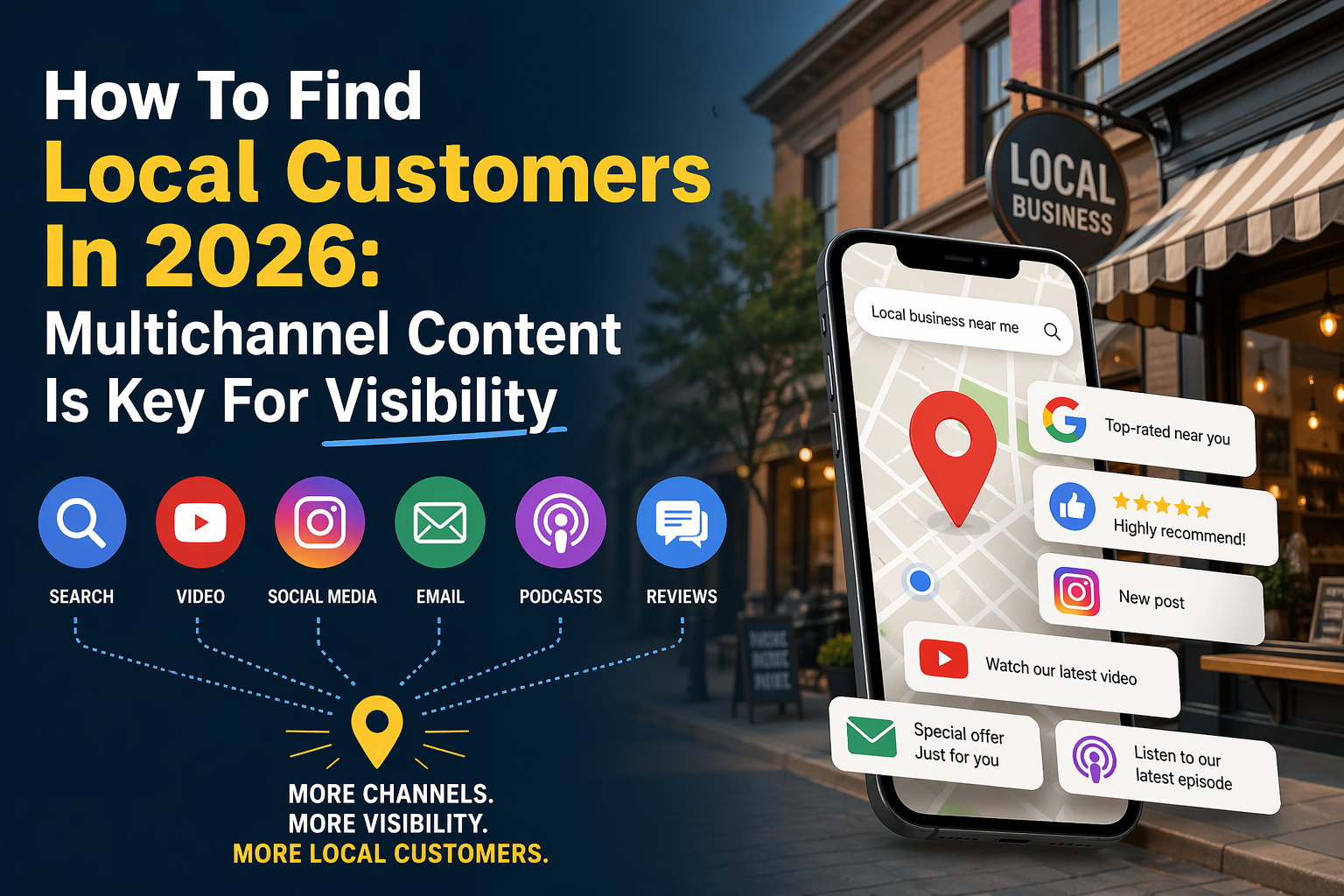
Your Google rankings might be perfect, but if you're ignoring Instagram, TikTok, and AI chatbots, you're already invisible to a huge segment of local customers. The data on who's actually finding local businesses in 2026 will surprise you.
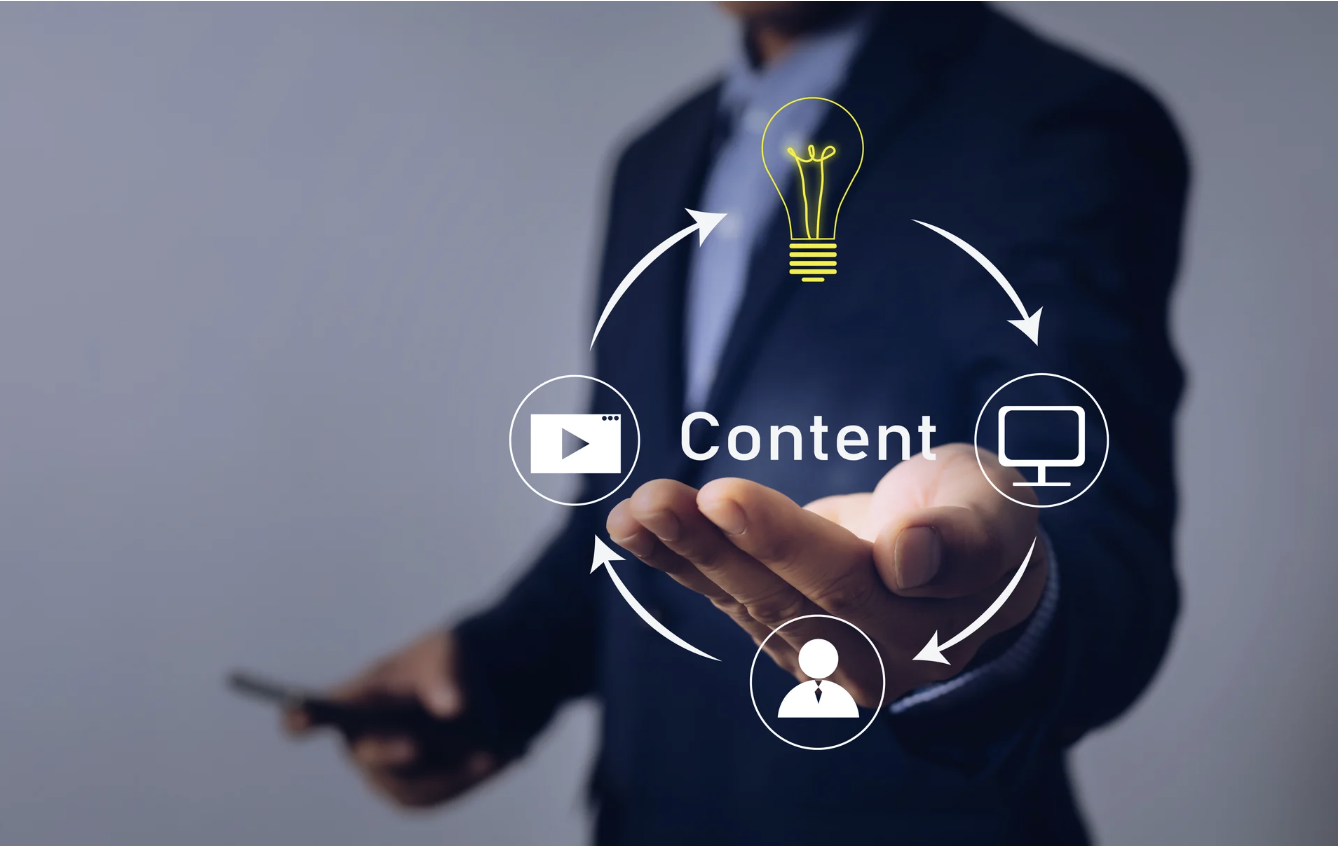
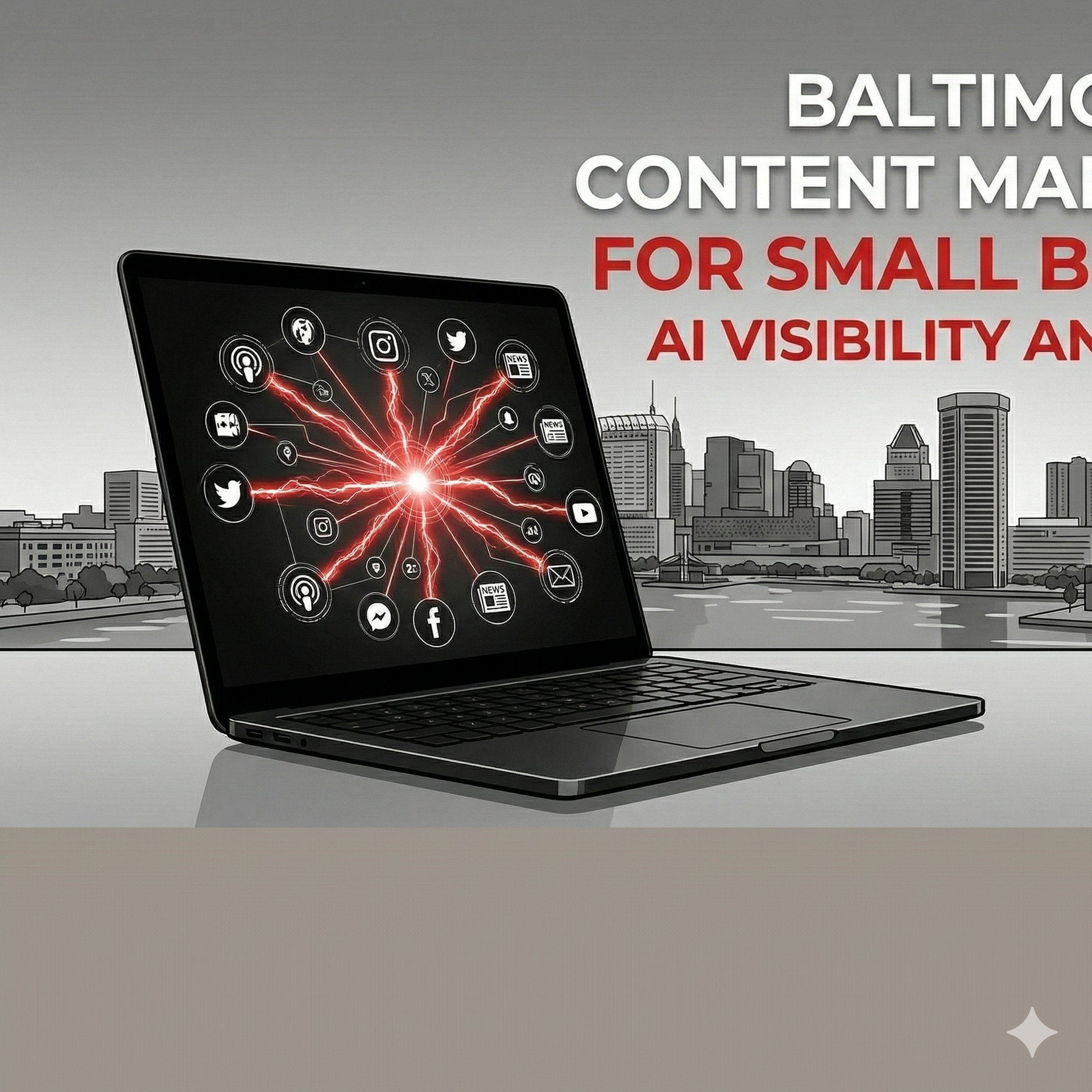
Rising ad costs are making paid campaigns harder to sustain. Here’s how multi-format content builds visibility across platforms and drives steady, organic traffic without ongoing ad spend.
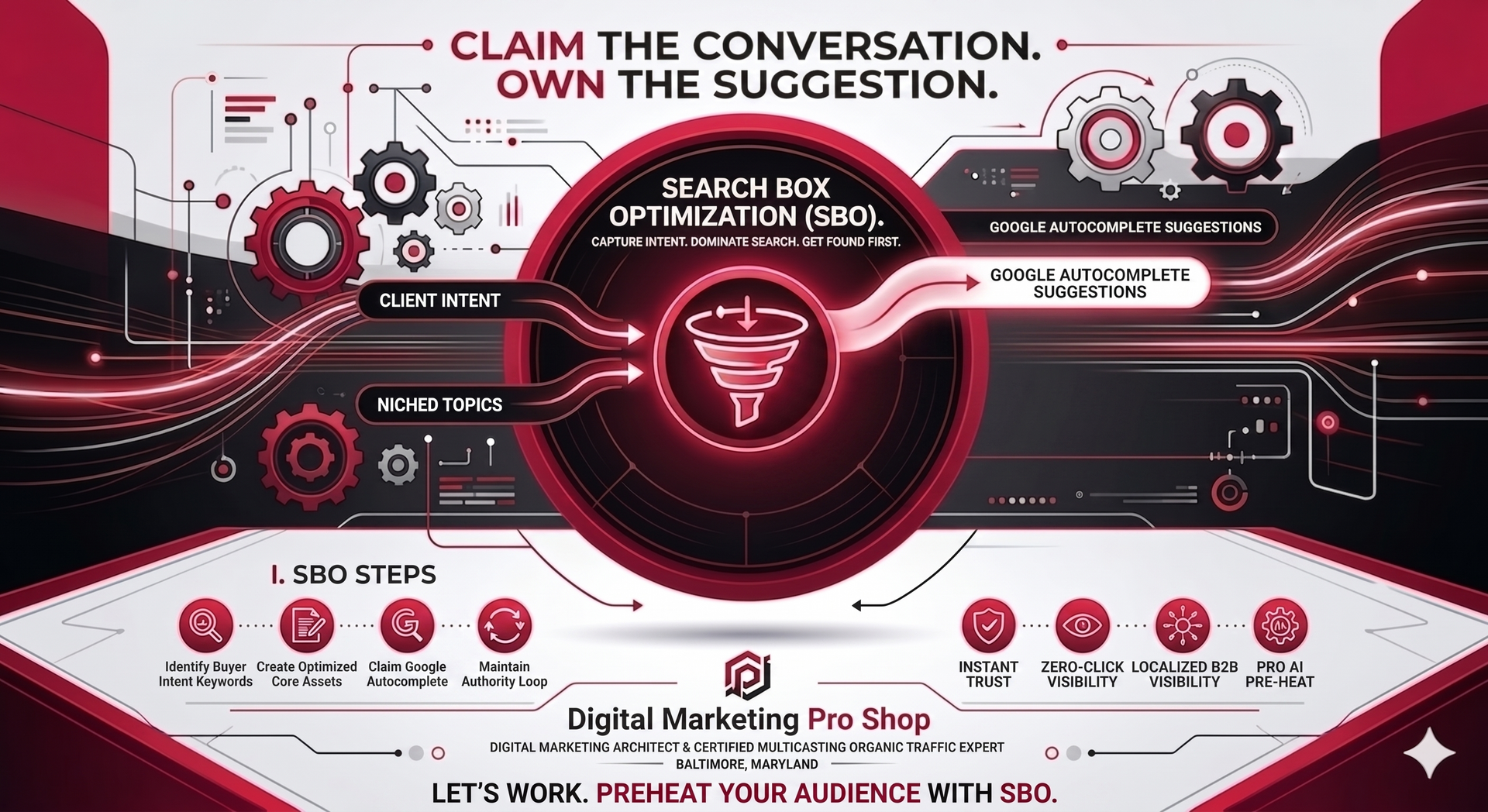
How Search Box Optimization Works: Baltimore Digital Marketing Agency
If you're hemorrhaging cash on paid ads while your competitors build sustainable traffic empires, you're missing the bigger picture. One e-commerce company generated $462,000 from blog posts alone—discover how organic traffic converts 67% better than social media and keeps working years after you hit publish.
Your organic traffic just tanked, and you're frantically searching for answers. Before you panic and overhaul everything, there's one underlying issue causing most sudden drops, and it's probably not what you think. The fix requires rethinking how you create content entirely.
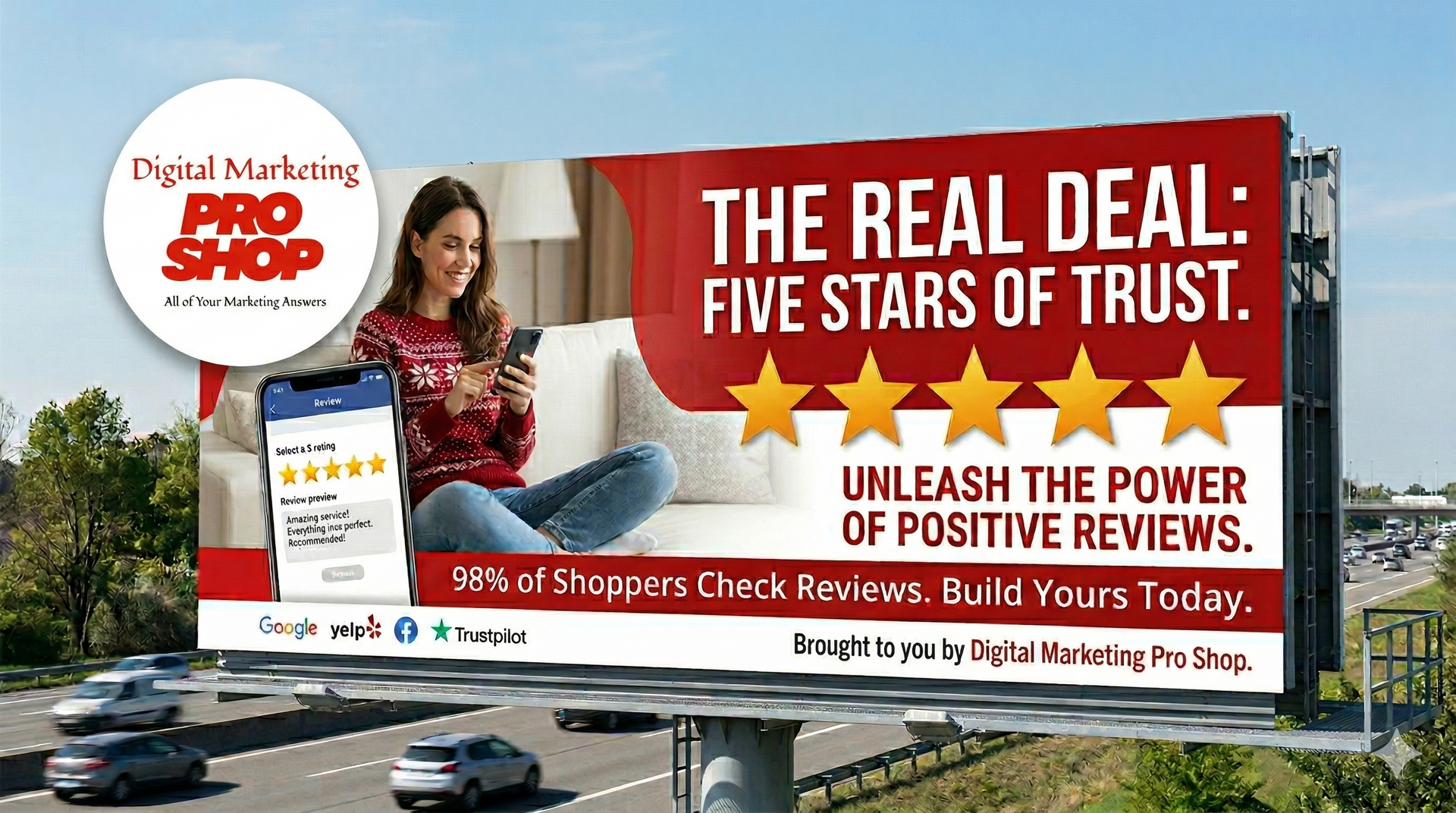
The Importance of Customer Reviews: How They Affect Revenue & Business Trust
Organic Traffic Dropping? How to Diagnose & Recover: Baltimore Expert Tips